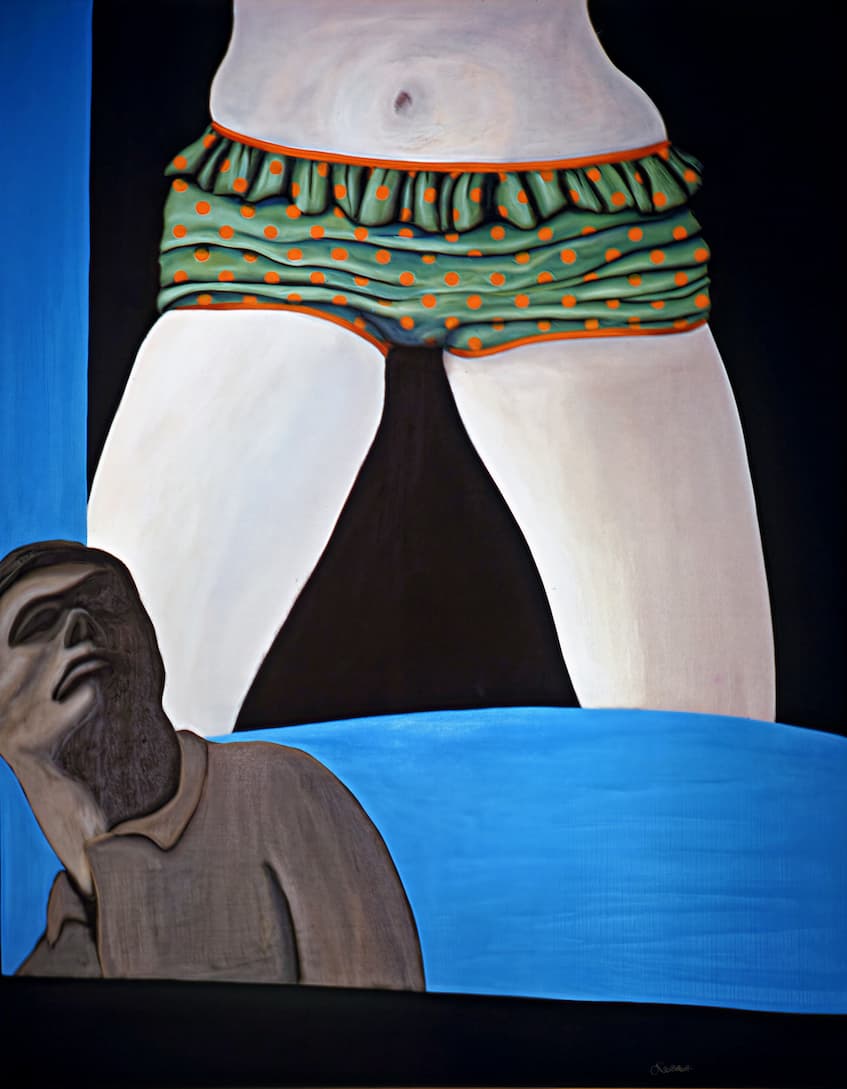
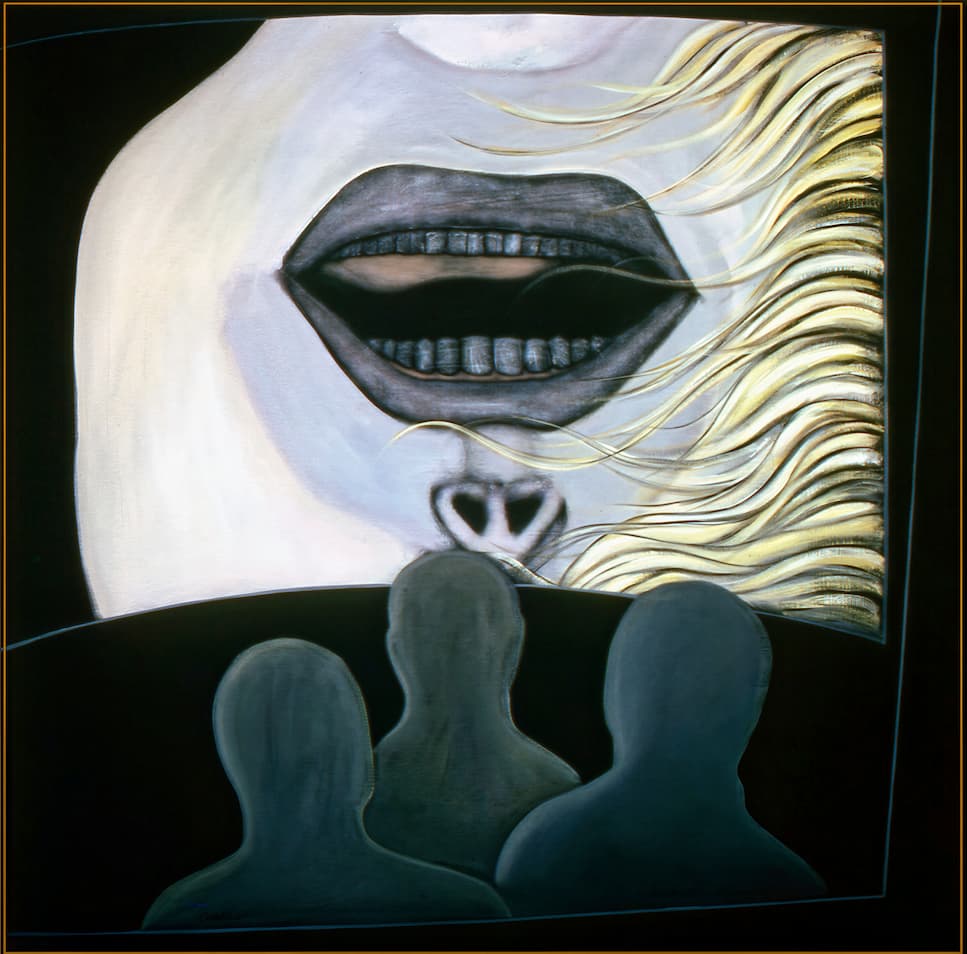
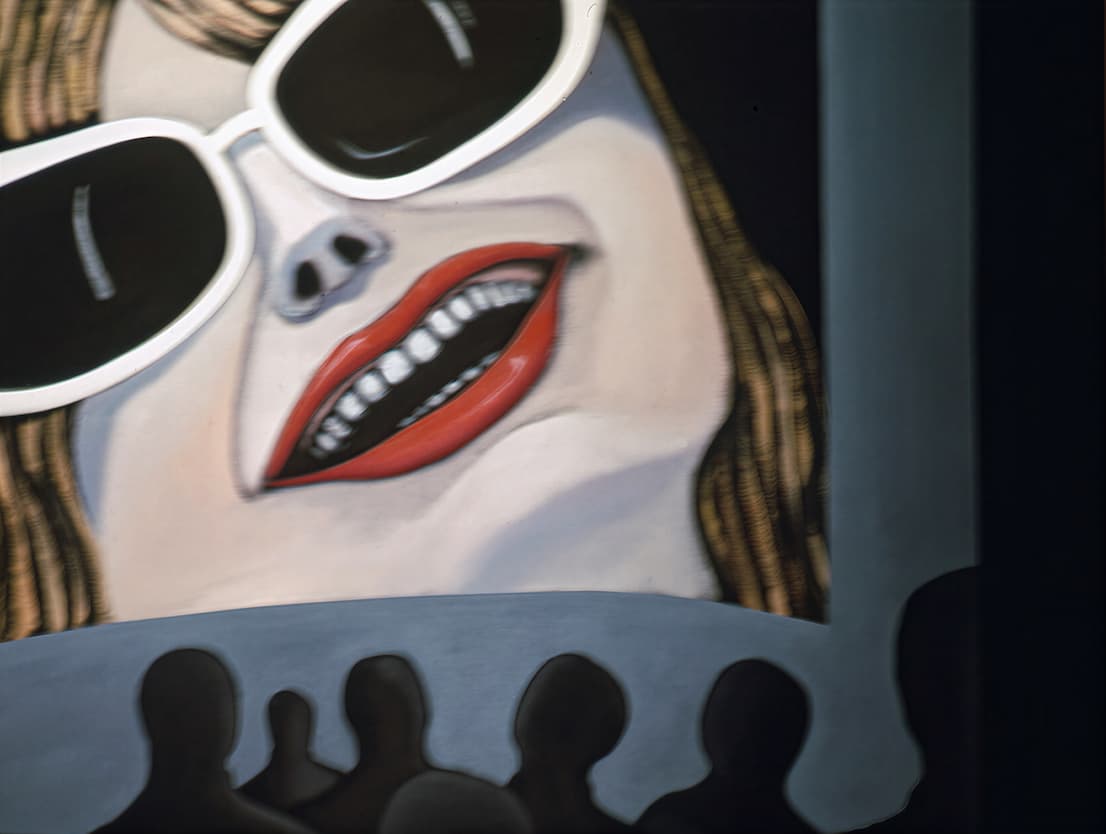
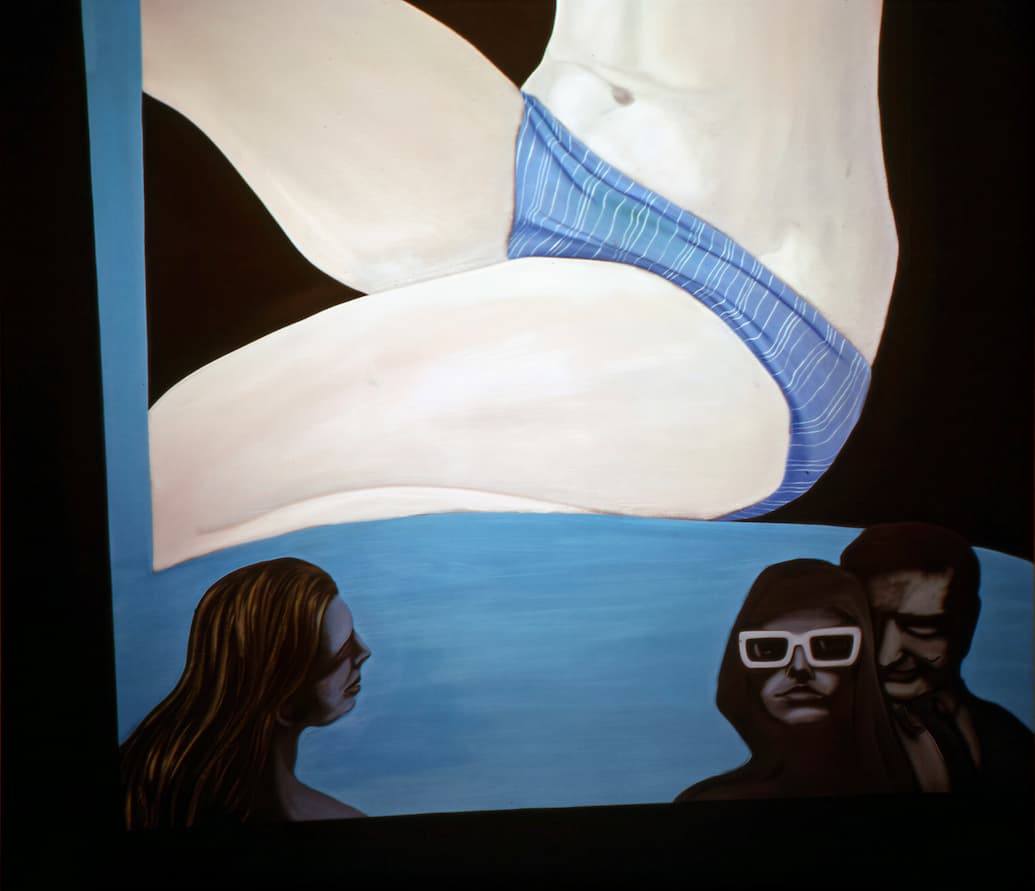
No. 1 -32
1965 - 1967
No. 33 -93
1967 - 1977
No. 94 - 150
1978 - 1989
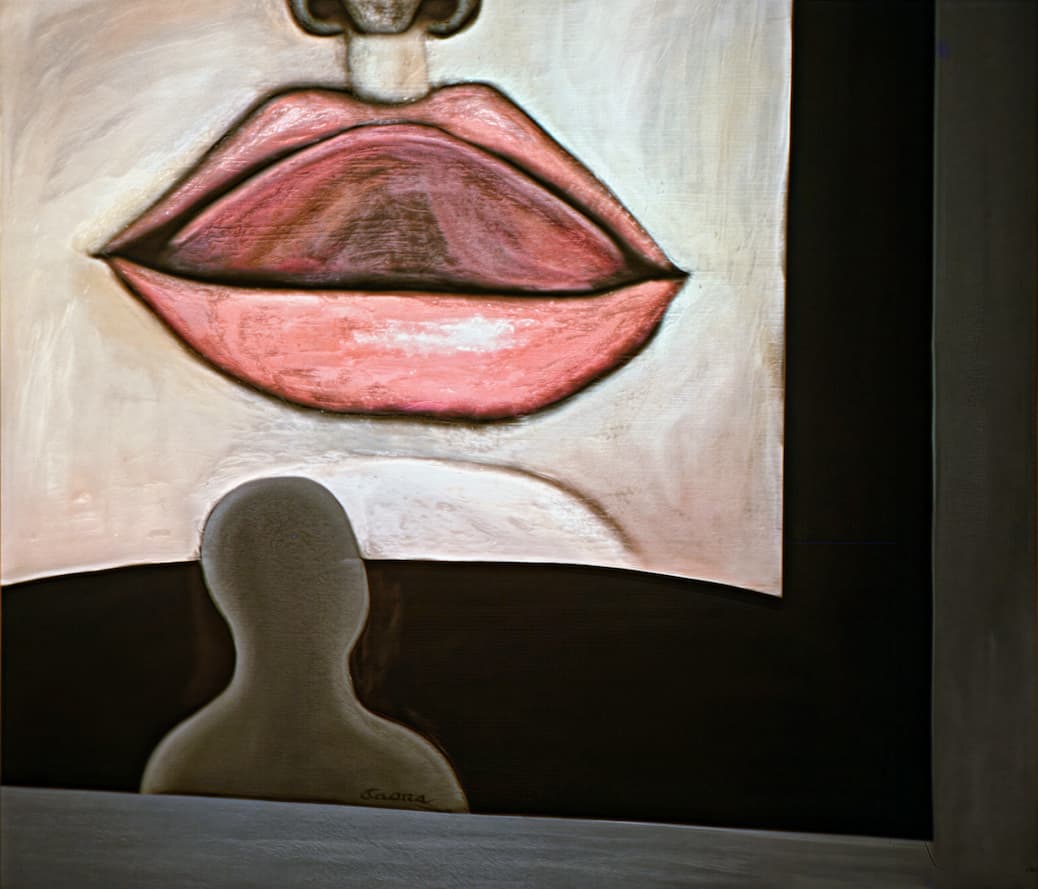
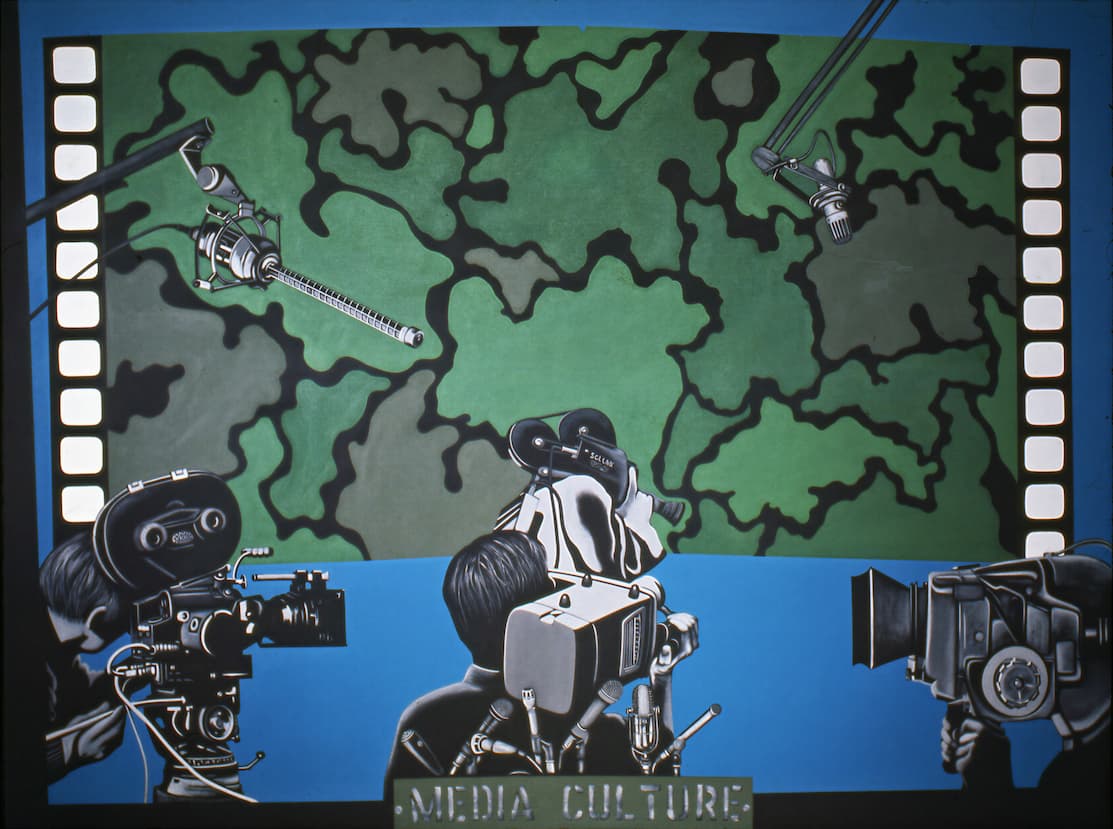
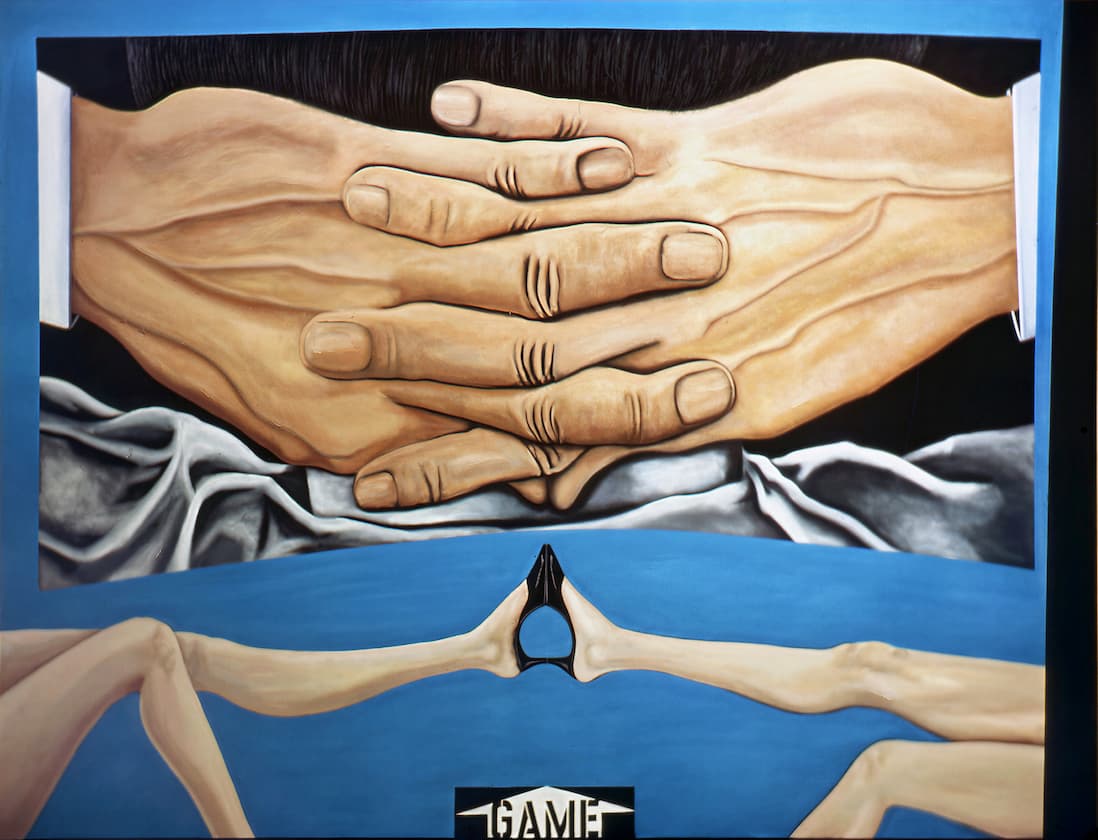
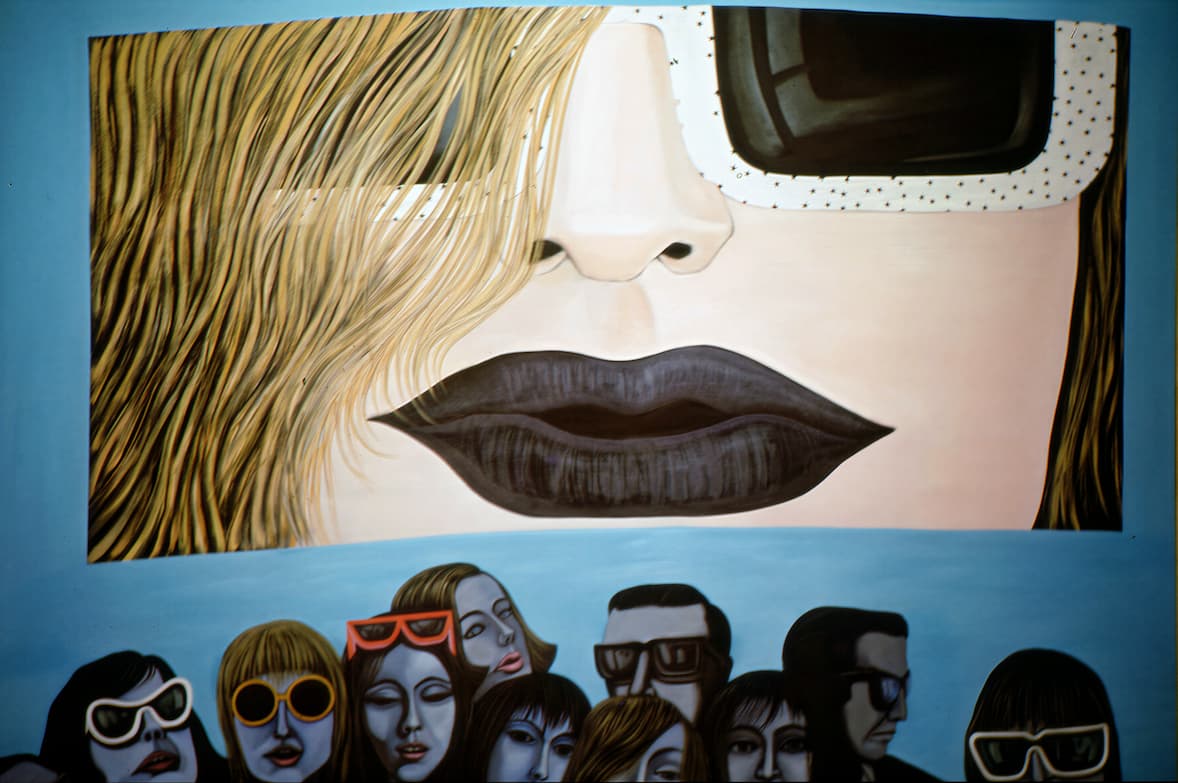
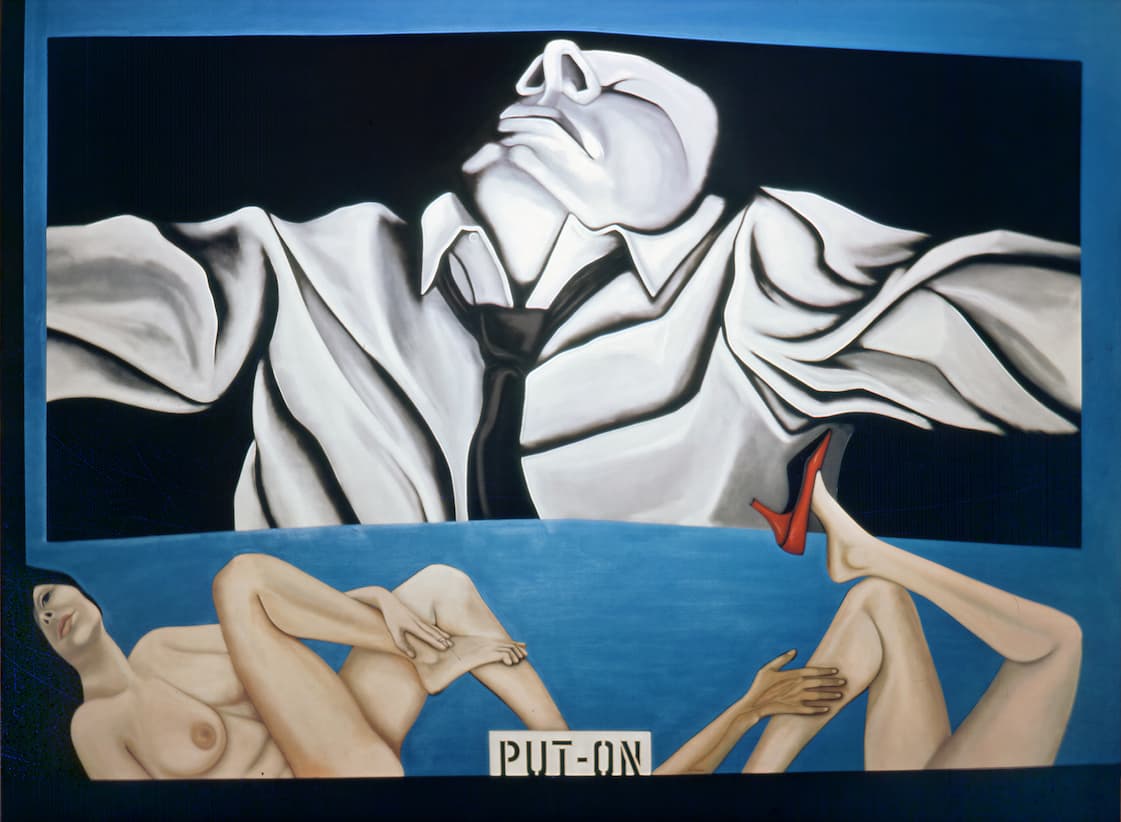
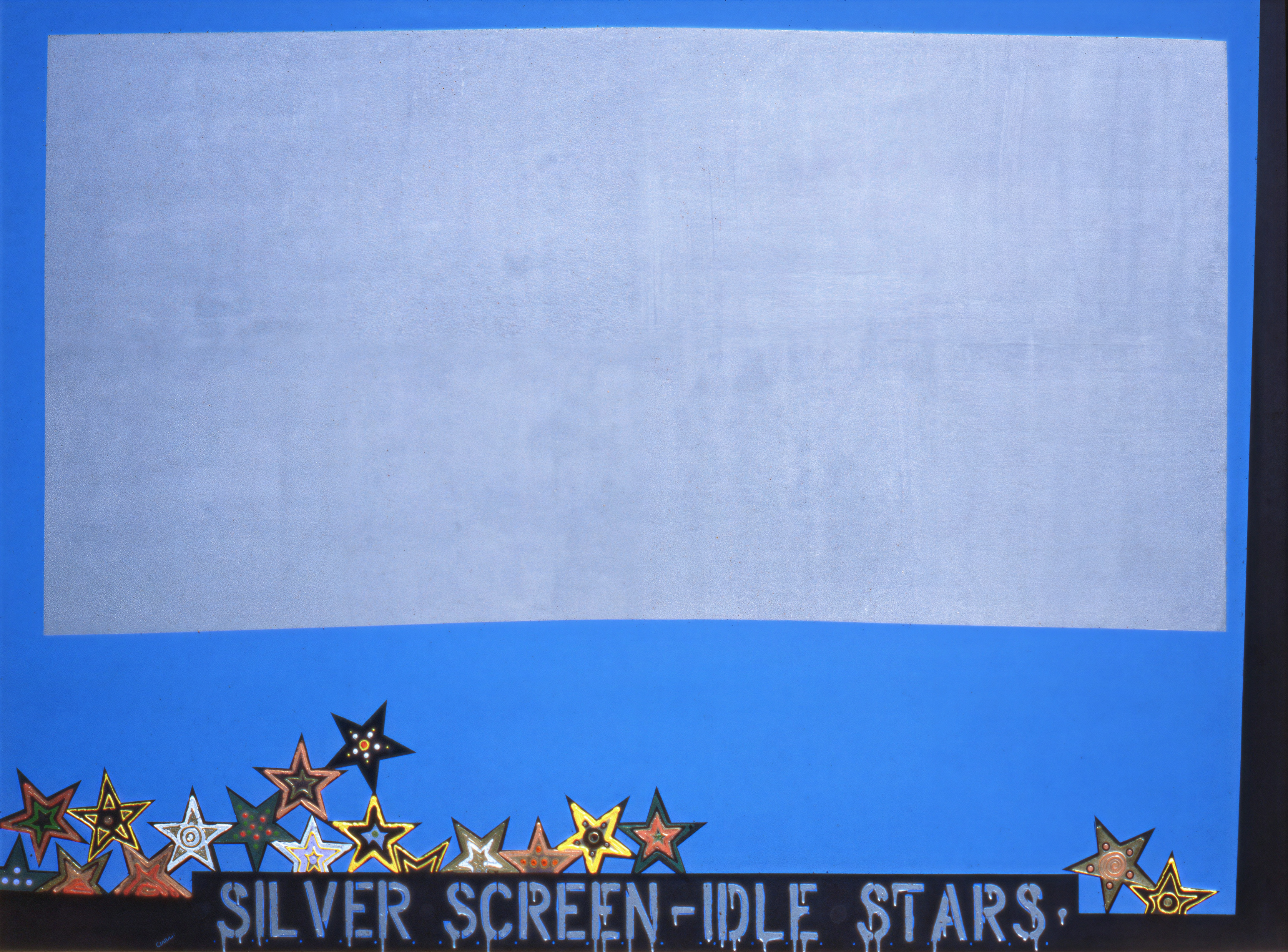
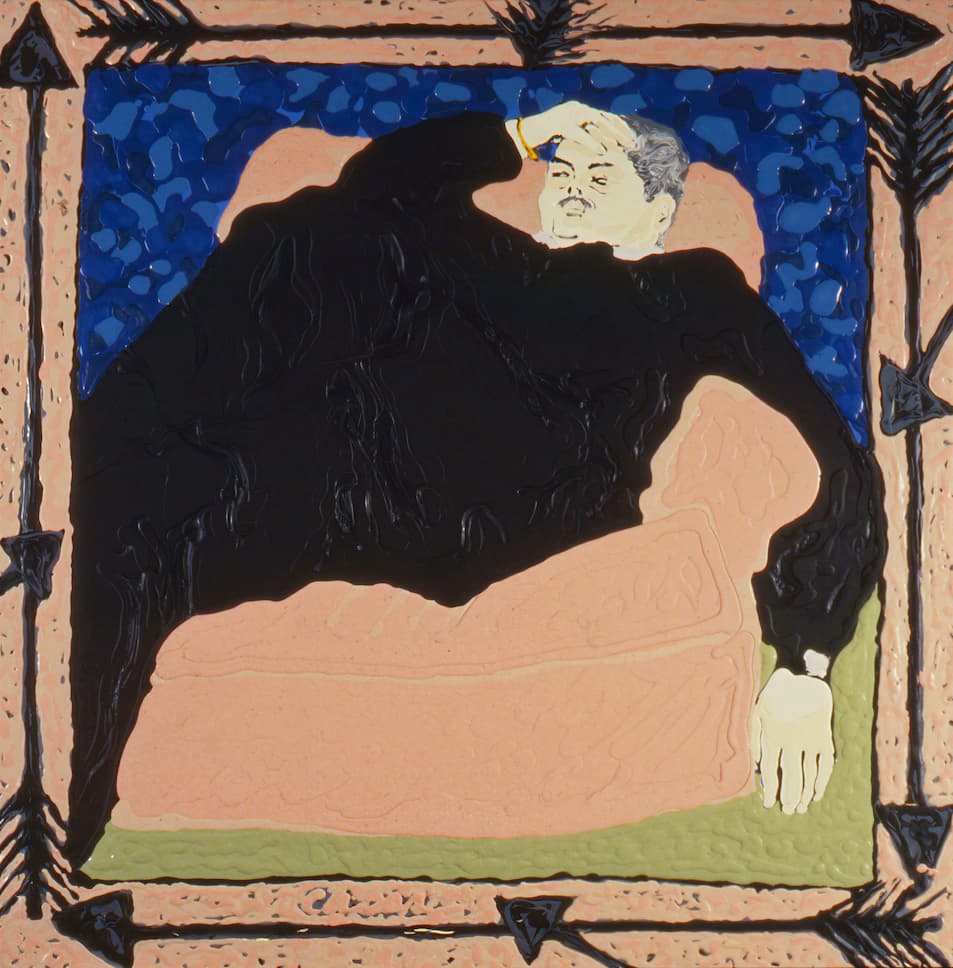
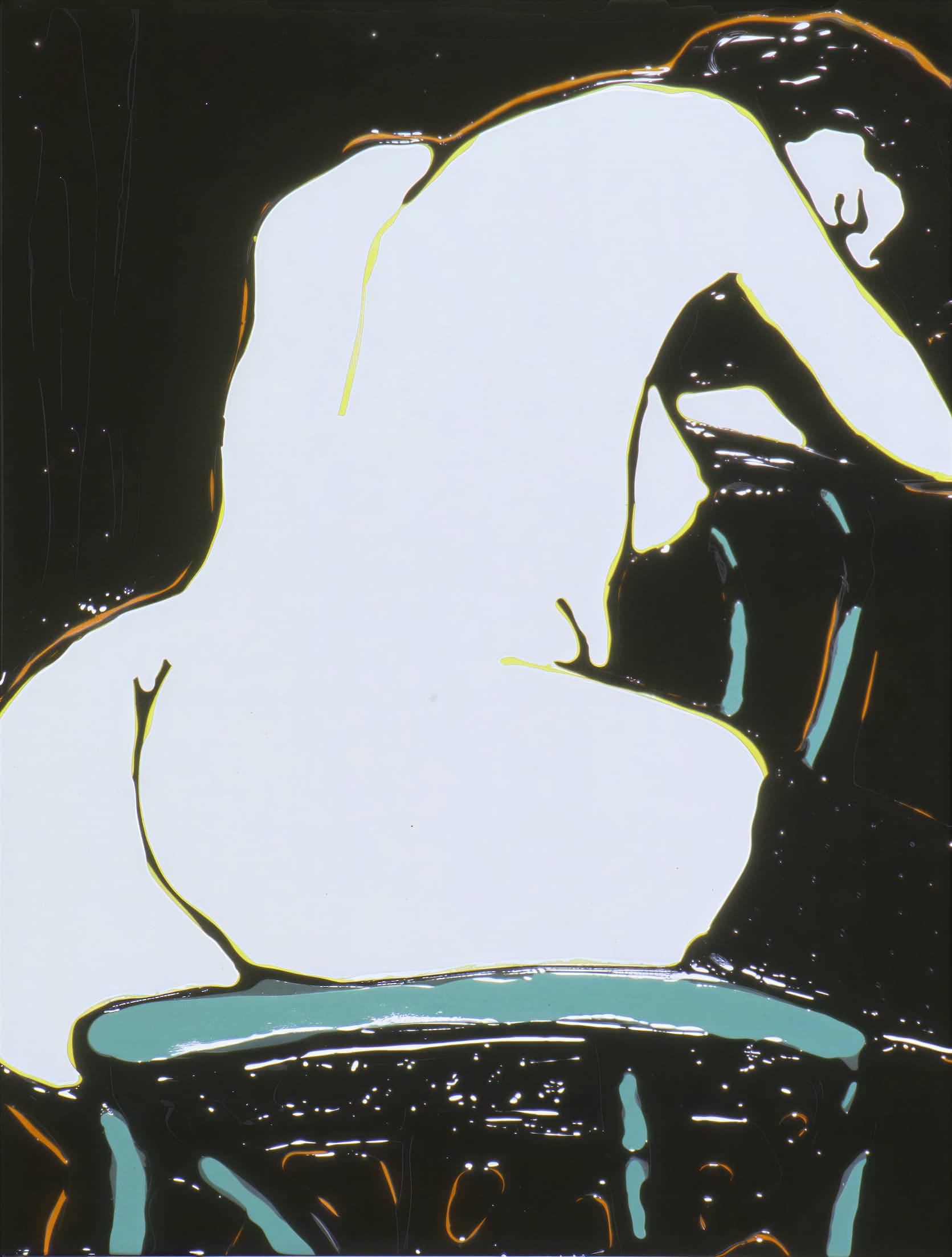
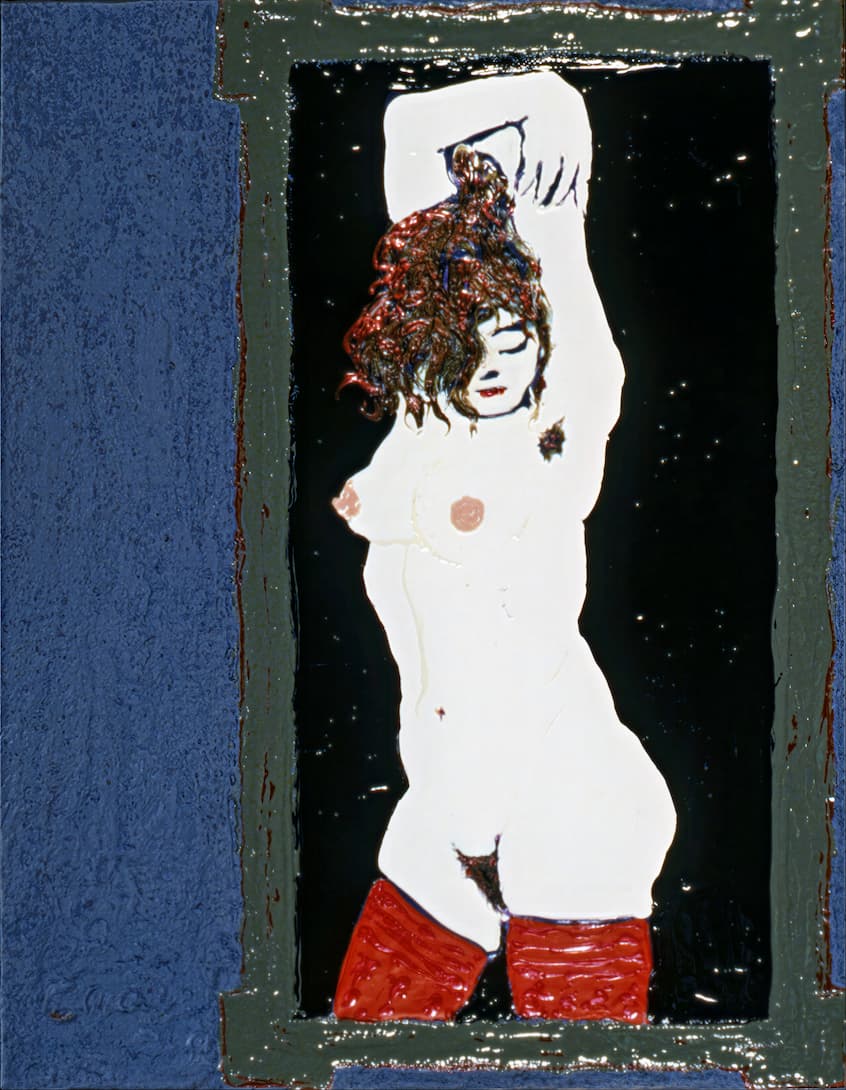
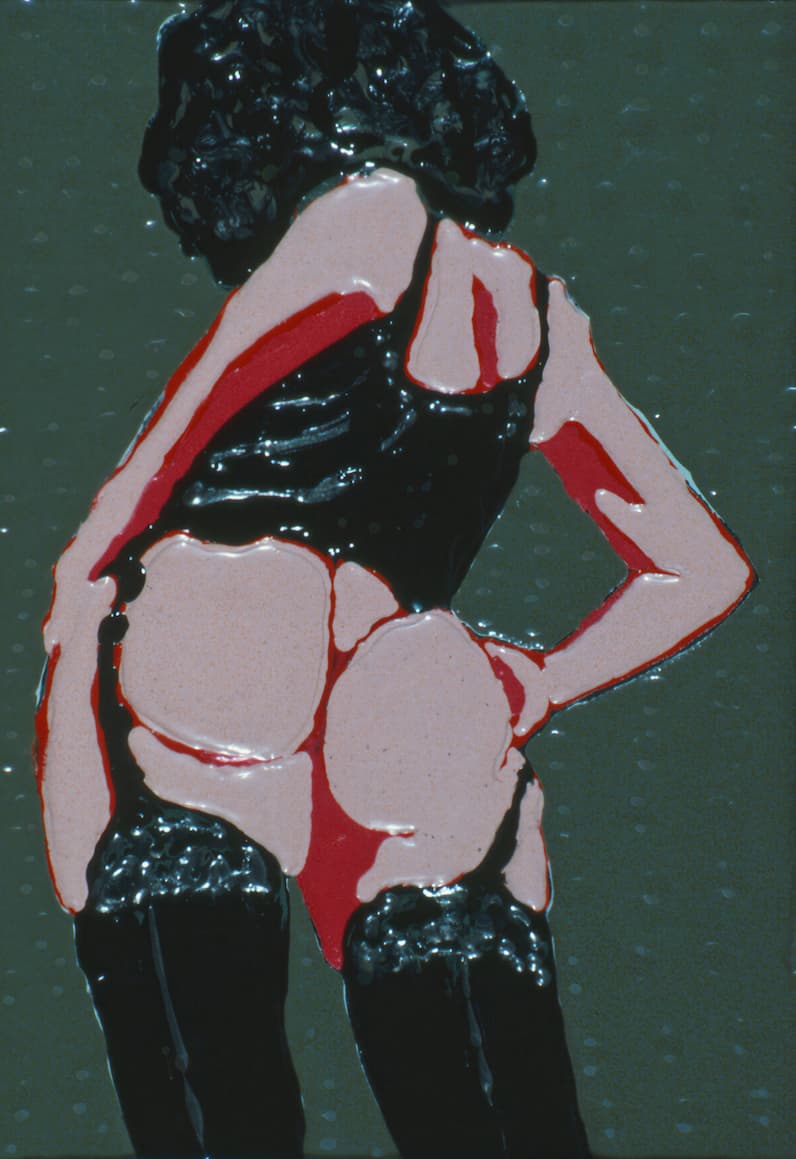
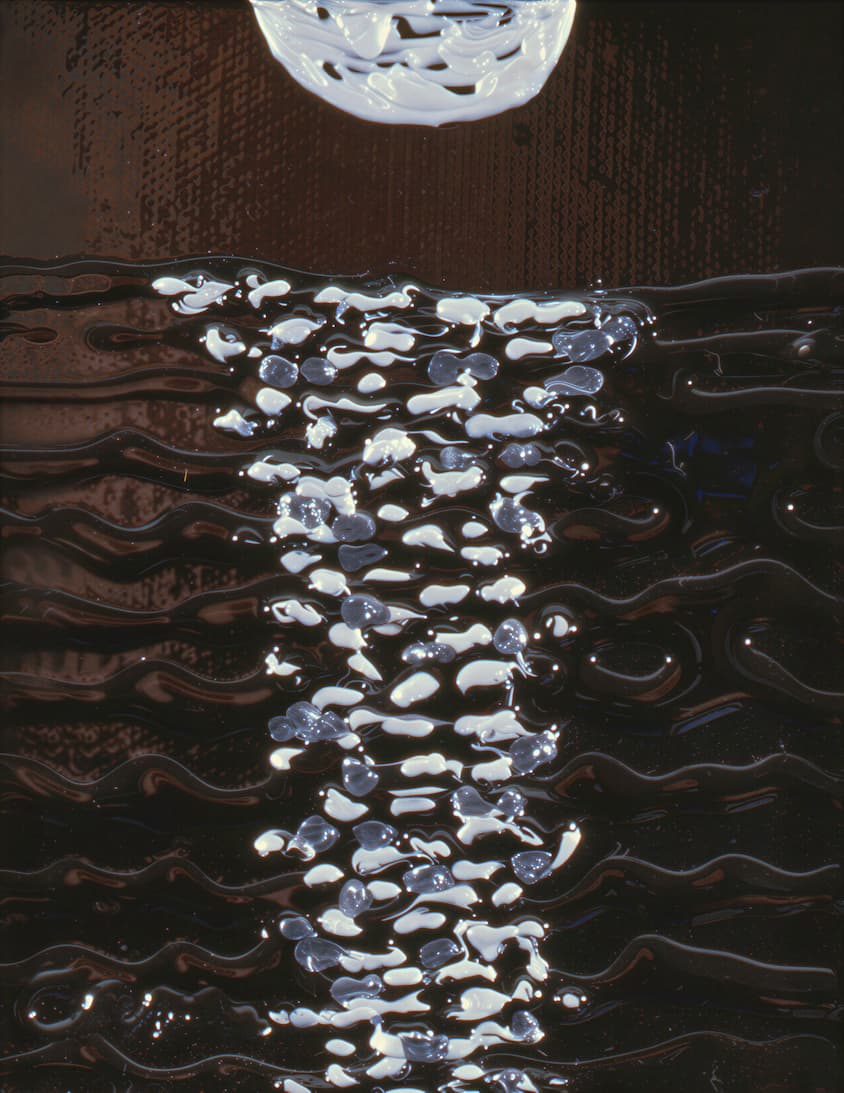
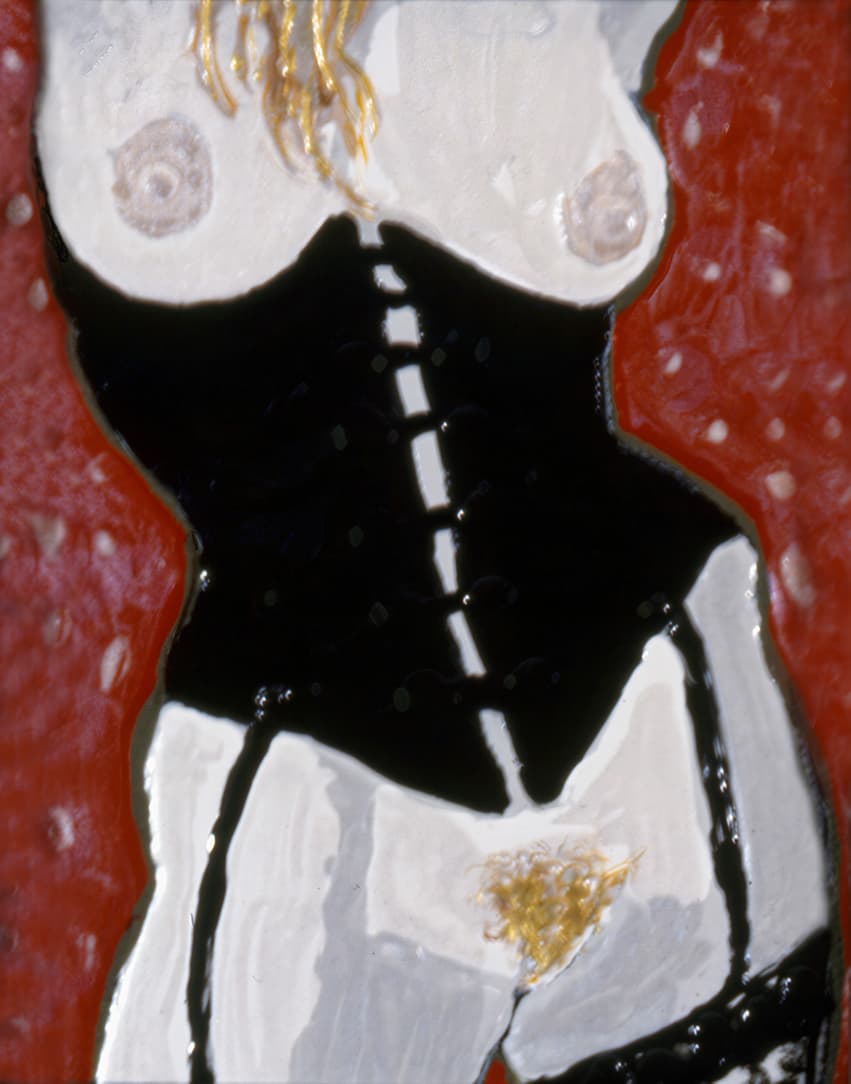
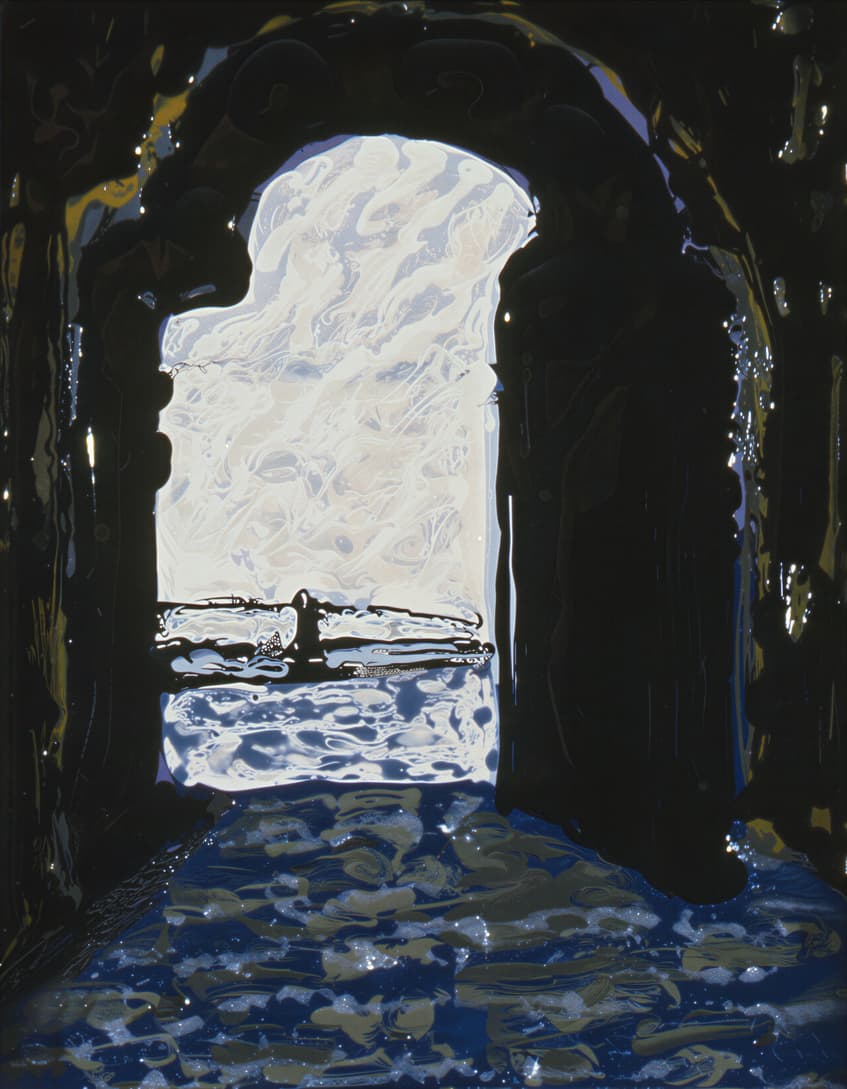
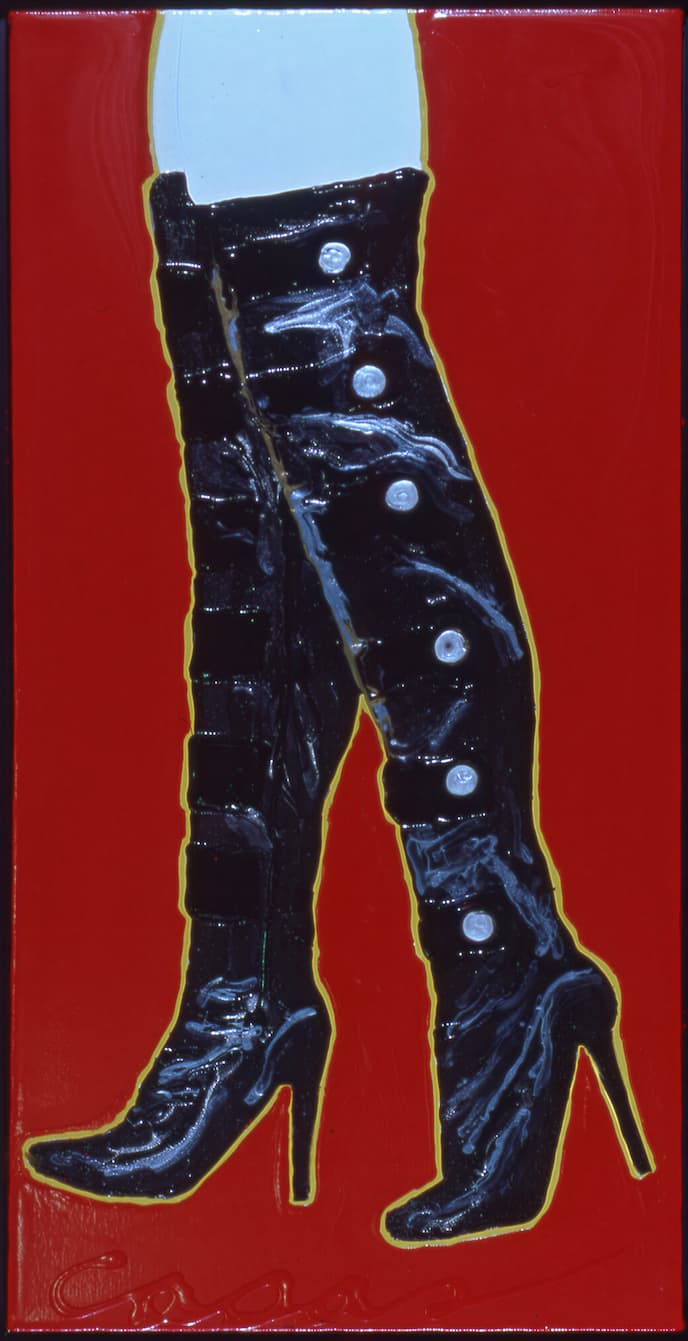
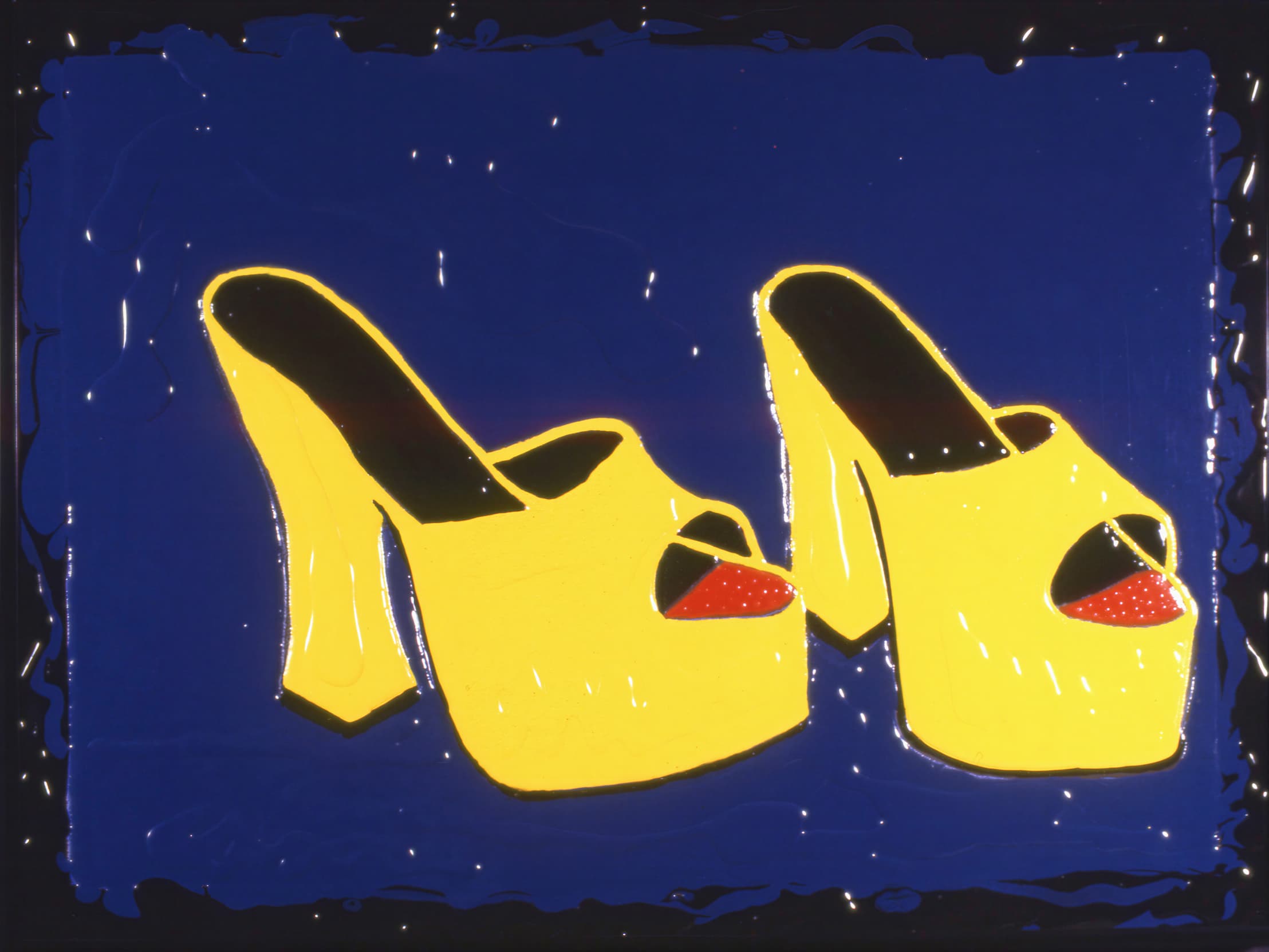
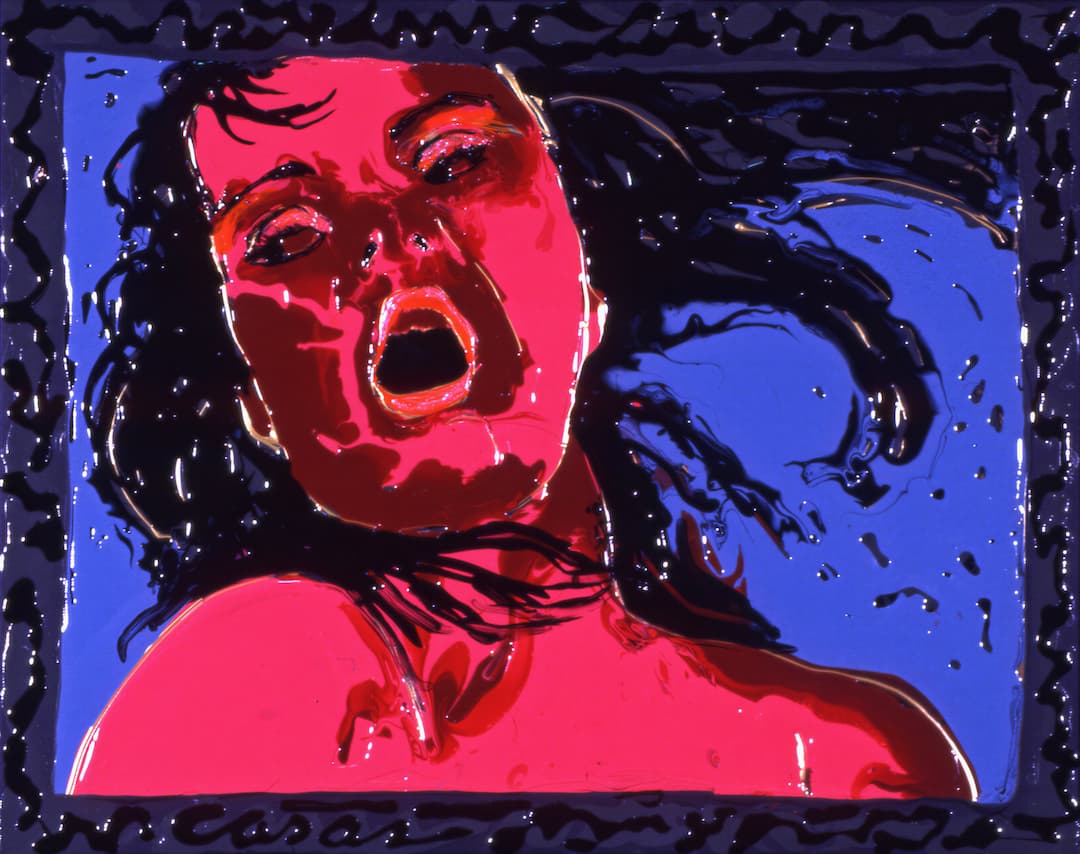
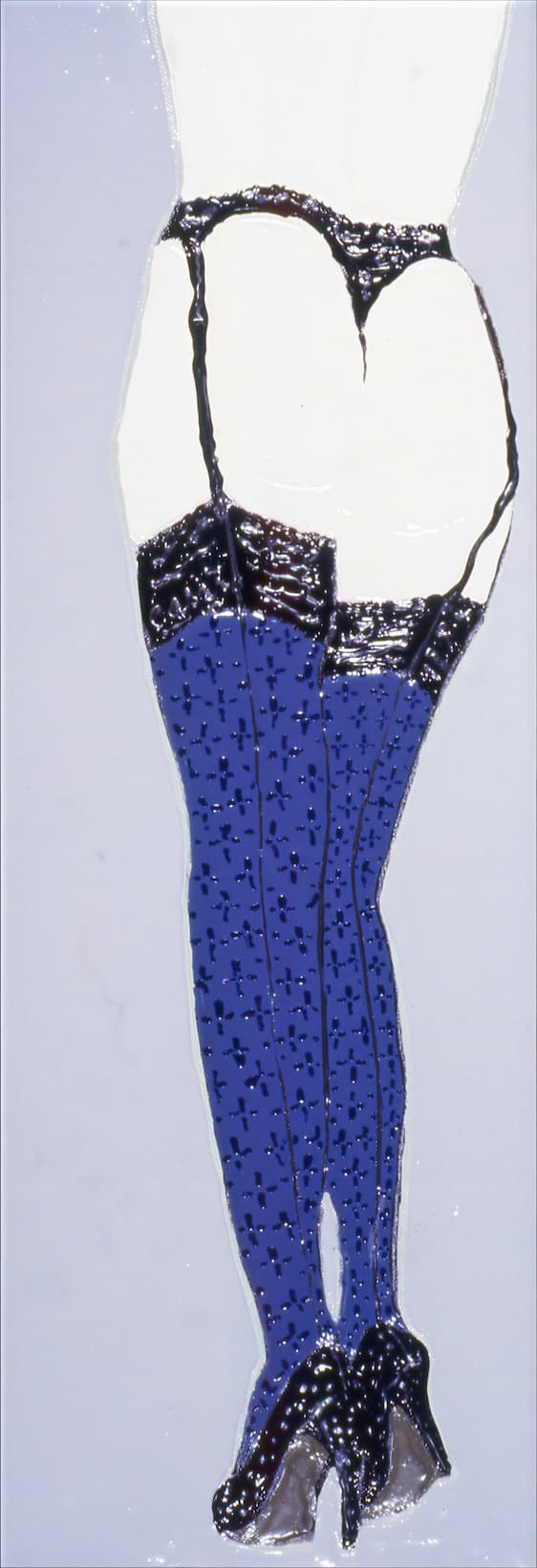
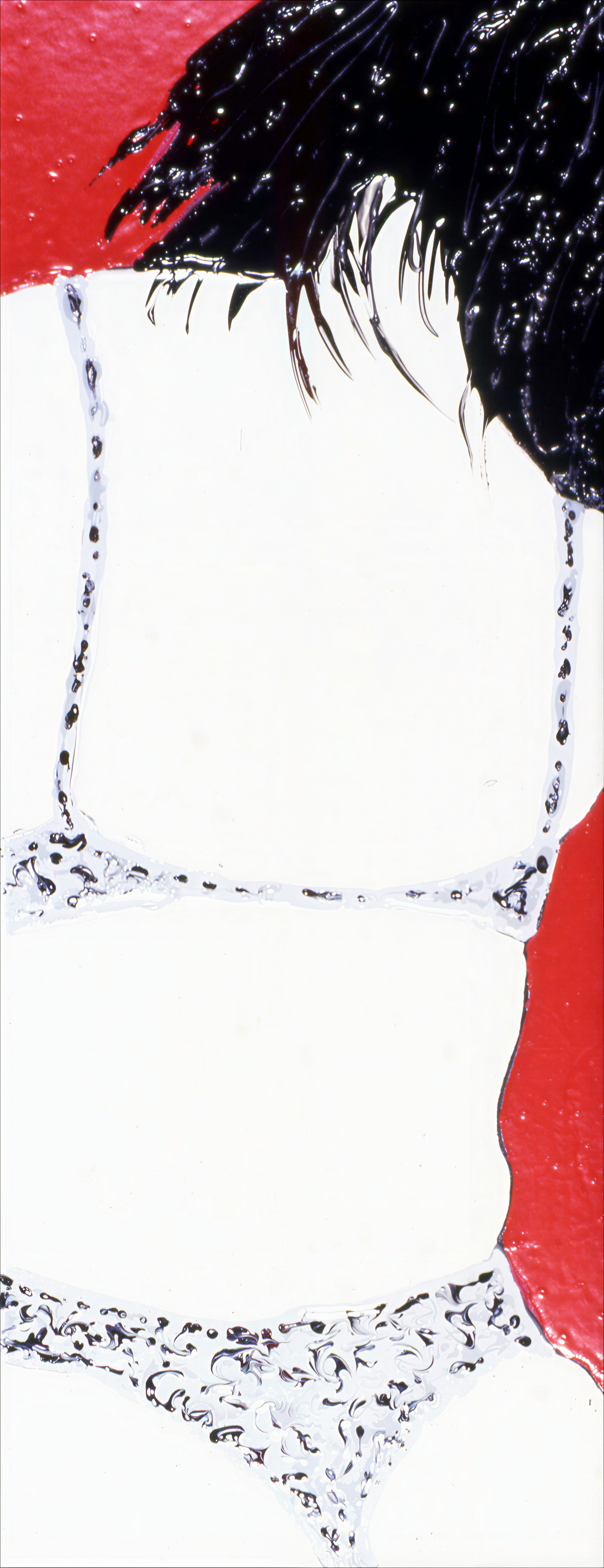
The first thirty-two numbered Humanscapes establish the series' central formal device: a large painted screen dominating the picture plane, with figures — drawn from cinema, advertising, and popular culture — rendered at the scale of spectacle. Produced between 1965 and 1967, these paintings address cinema, sexuality, and the manufactured ideal of femininity. The screen image Casas returns to repeatedly in this period is the Barbie Doll — a mass-produced object whose impossible proportions and racially unmarked whiteness Casas recognized as a form of cultural instruction for young women, and especially for young Chicanas who found nothing of themselves in the image. The paintings in this group also draw on drive-in movie culture, enlarging and flattening the projected image until it becomes both subject and environment. Casas was working simultaneously within and against the conventions of Pop Art: like Andy Warhol or Roy Lichtenstein, he was interested in mass media and commercial imagery, but where Pop Art often celebrated or aestheticized those images, Casas interrogated them as instruments of social control. These early numbered Humanscapes laid the formal and conceptual groundwork for everything that followed in the series.


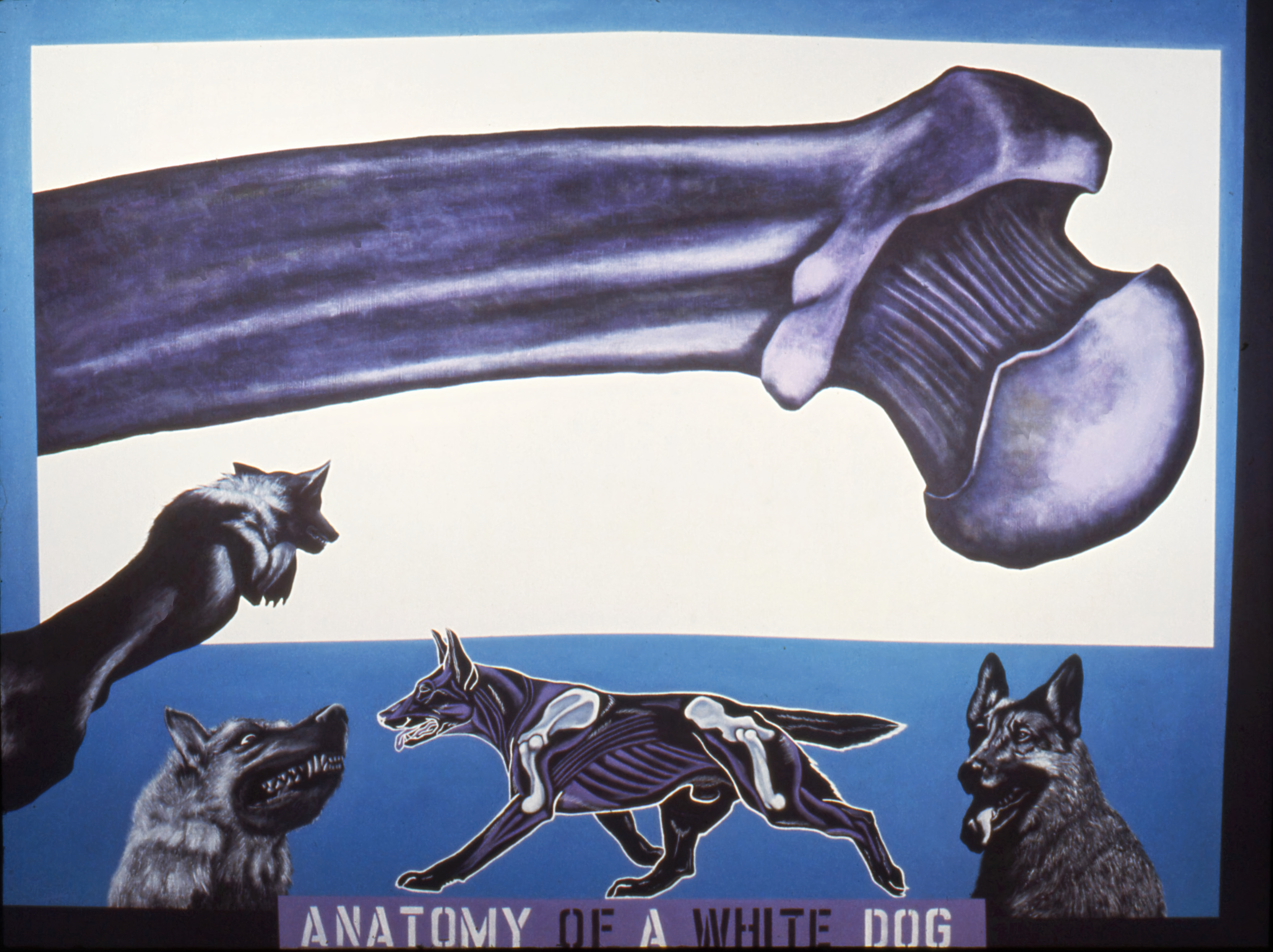
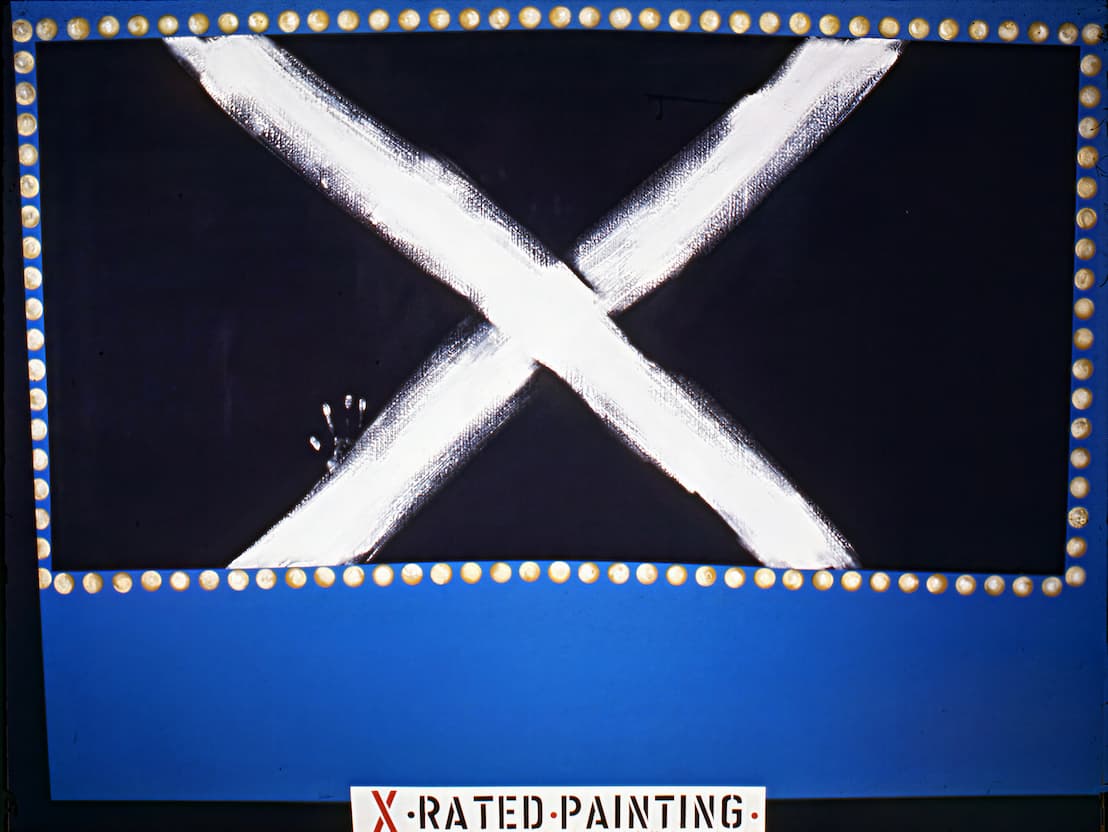
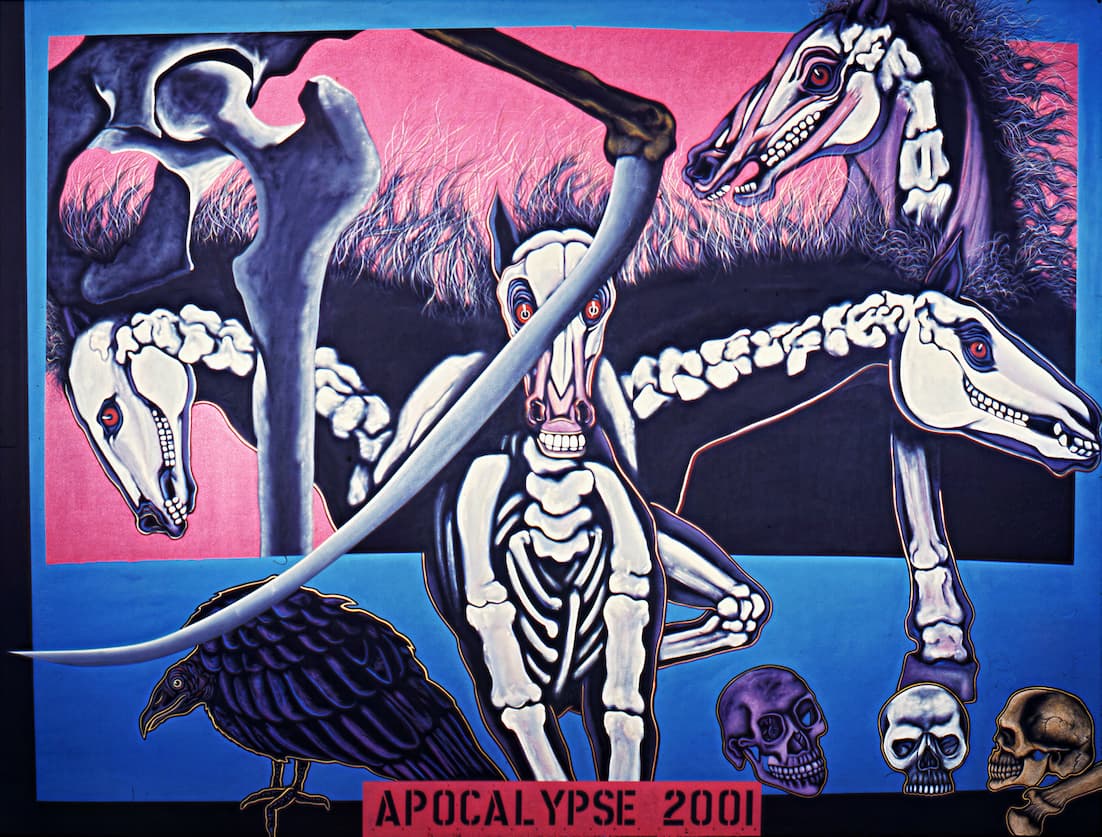
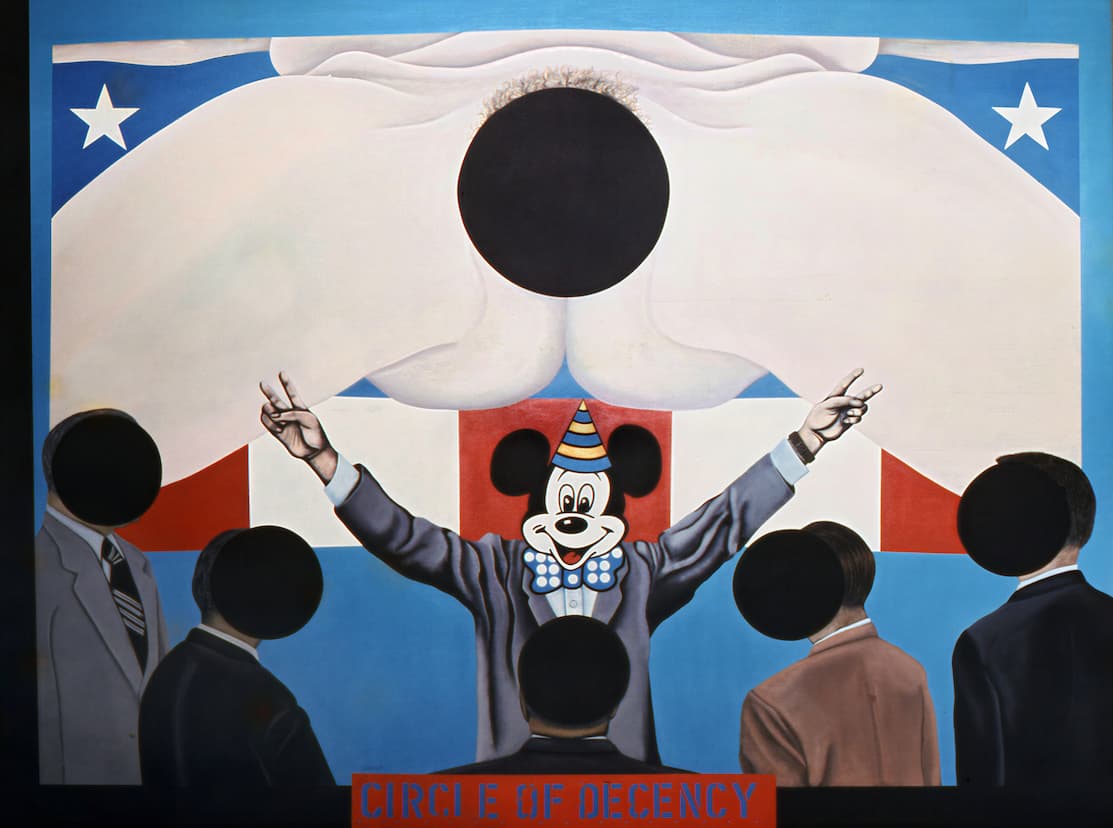
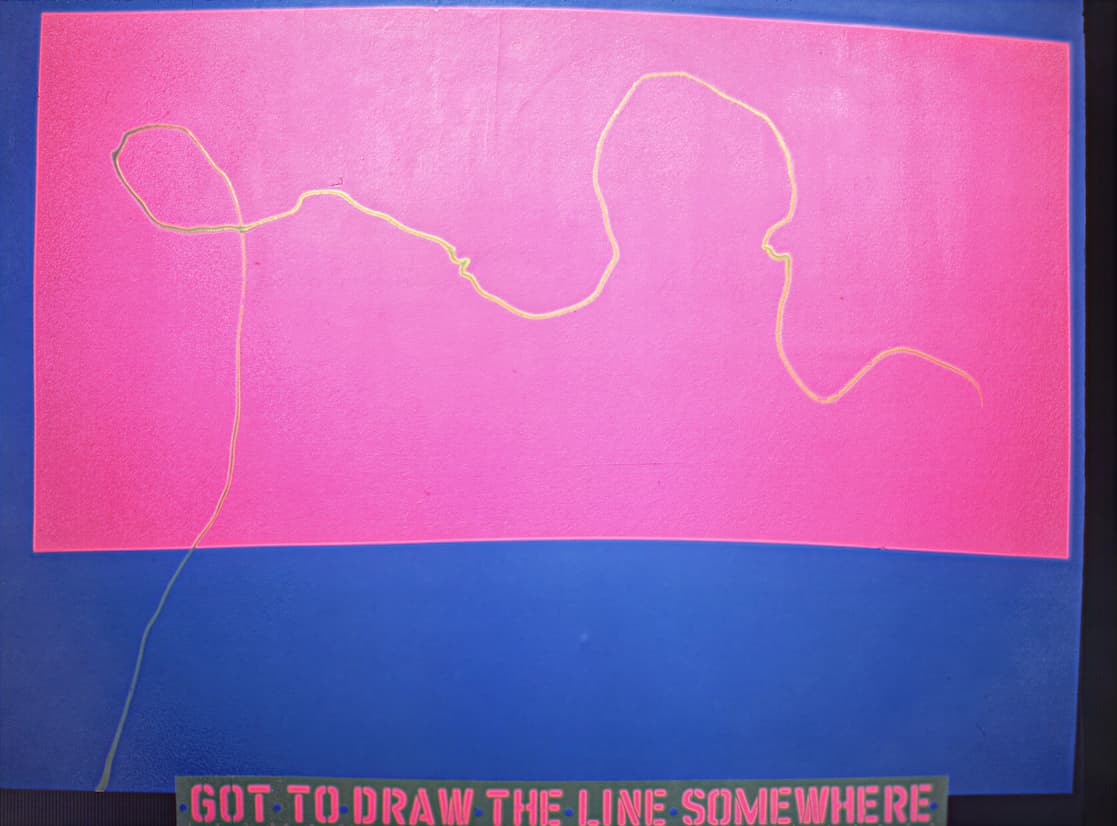
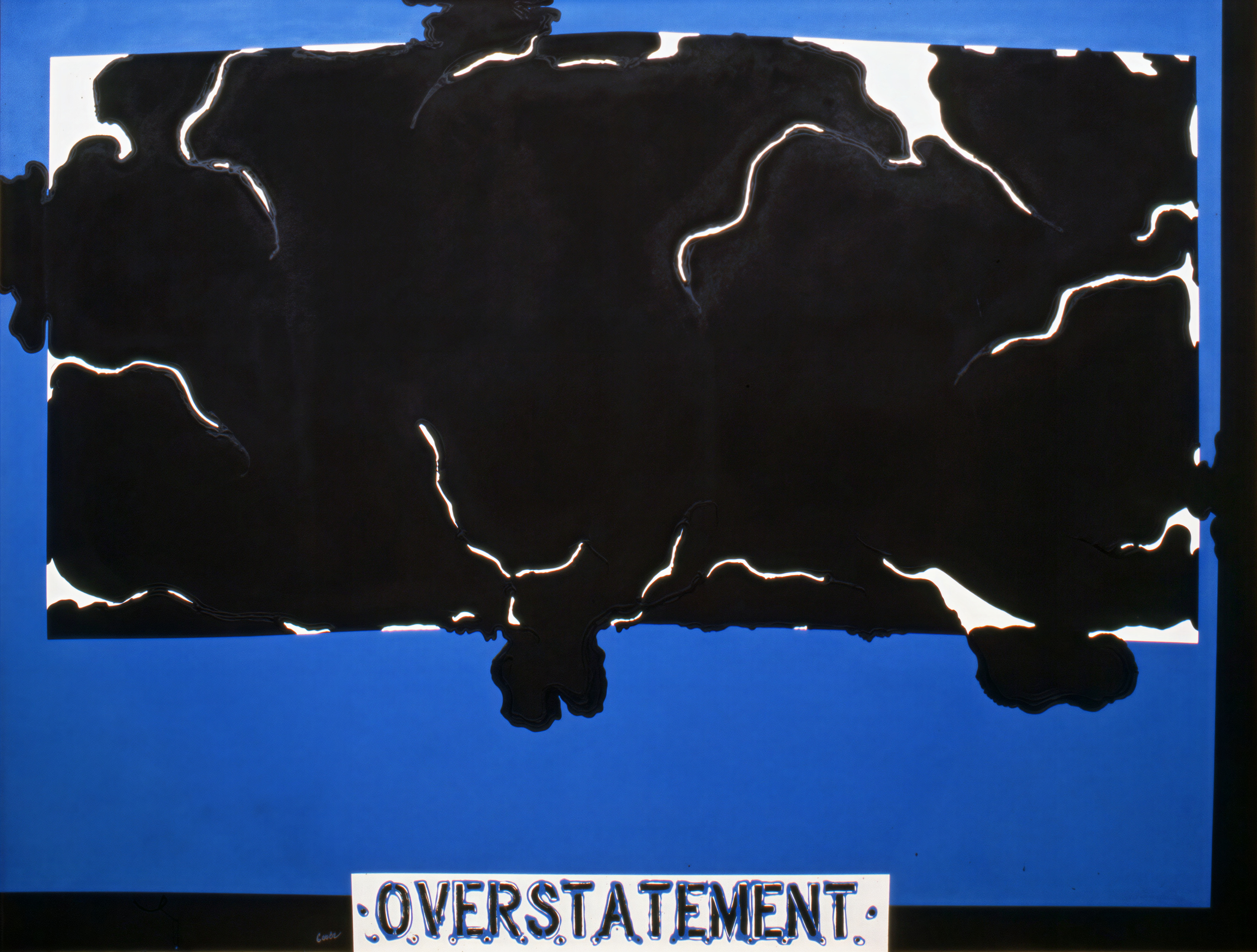
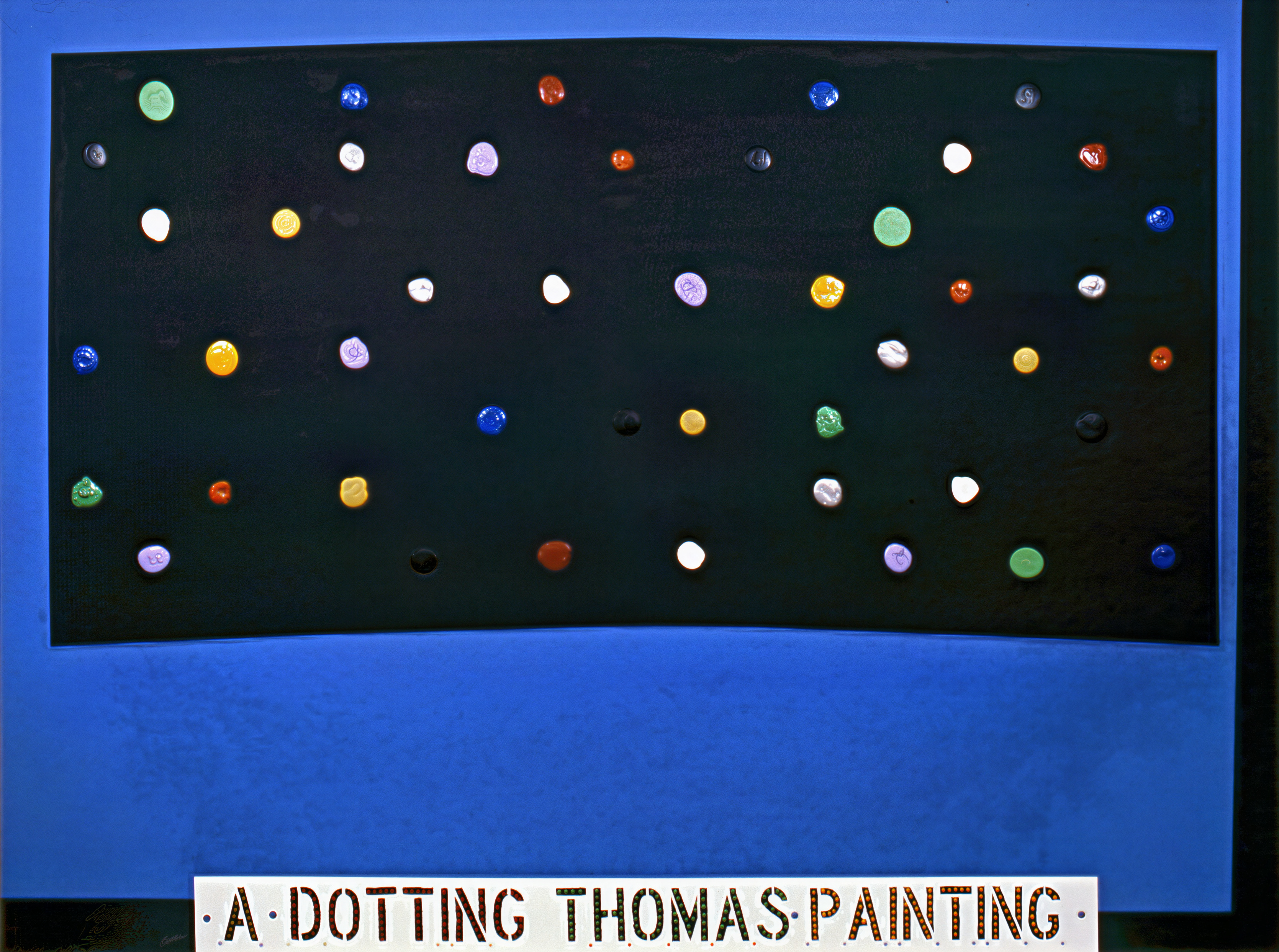
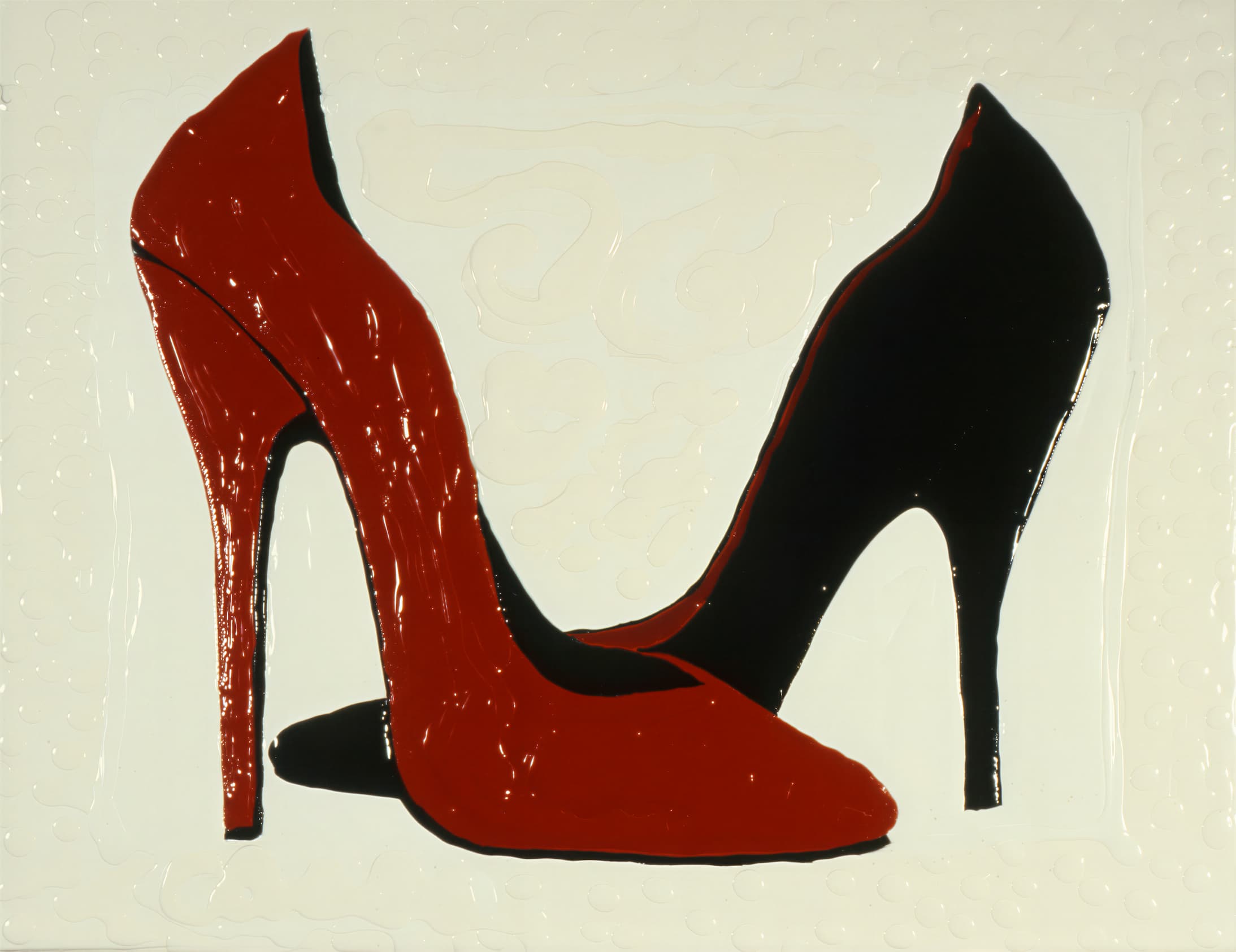
The middle section of the Humanscape series — paintings 33 through 93, made between roughly 1967 and 1977 — is the most politically charged. This is the period of the Vietnam War, the height of the Chicano civil rights movement, and the era in which Casas most directly engaged with the relationship between American mass media and political power. The paintings in this group examine how advertising, television, and popular culture flatten, erase, or caricature Mexican American and Indigenous identities. The most analyzed work in this group — and among the most studied paintings in Chicano art scholarship — is Humanscape 62, "Brownies of the Southwest" (1970), which confronts the racist Frito Bandito advertising mascot and its relationship to Mesoamerican cultural imagery. Also in this period, Humanscape 68, "Kitchen Spanish," dissects the labor exploitation embedded in the domestic lives of Latina immigrants. These paintings were made during — and directly respond to — the organized Chicano activism that was pressuring corporations and institutions to reckon with their treatment of Mexican American people and culture. Several works from this period toured nationally and have been reproduced widely in Chicano art anthologies. The Smithsonian American Art Museum holds multiple paintings from this phase of the series.




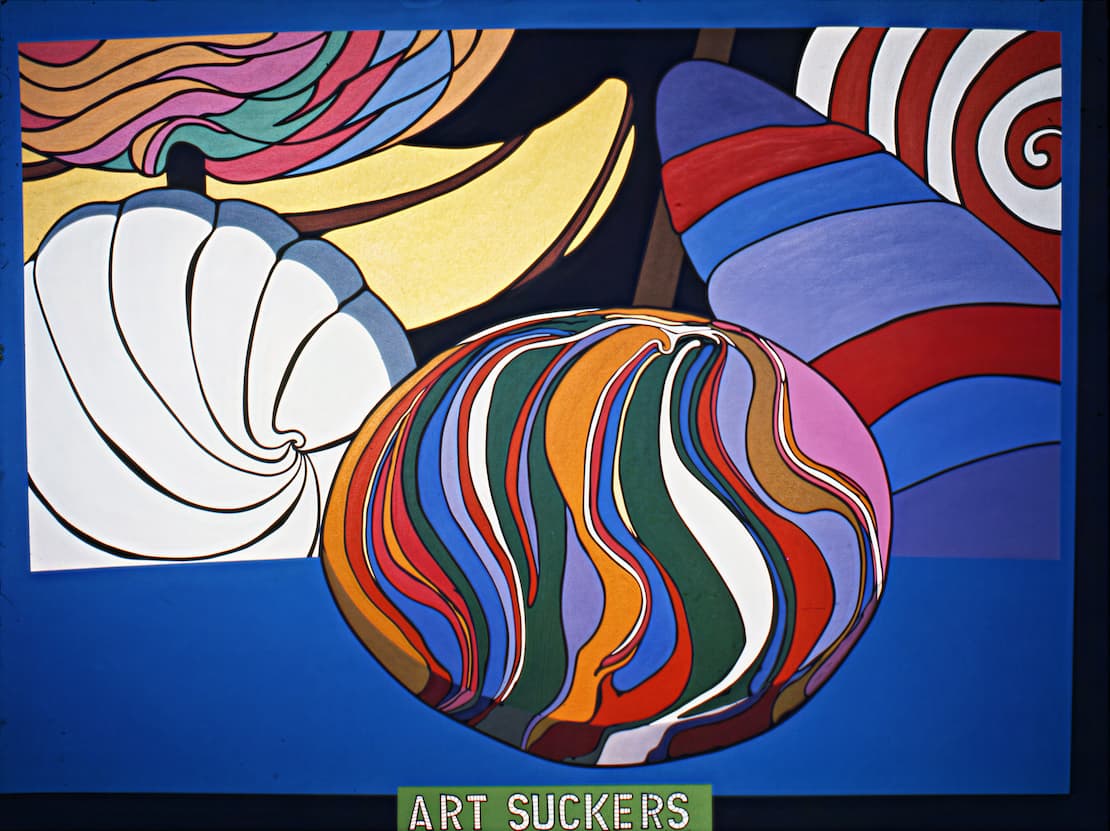
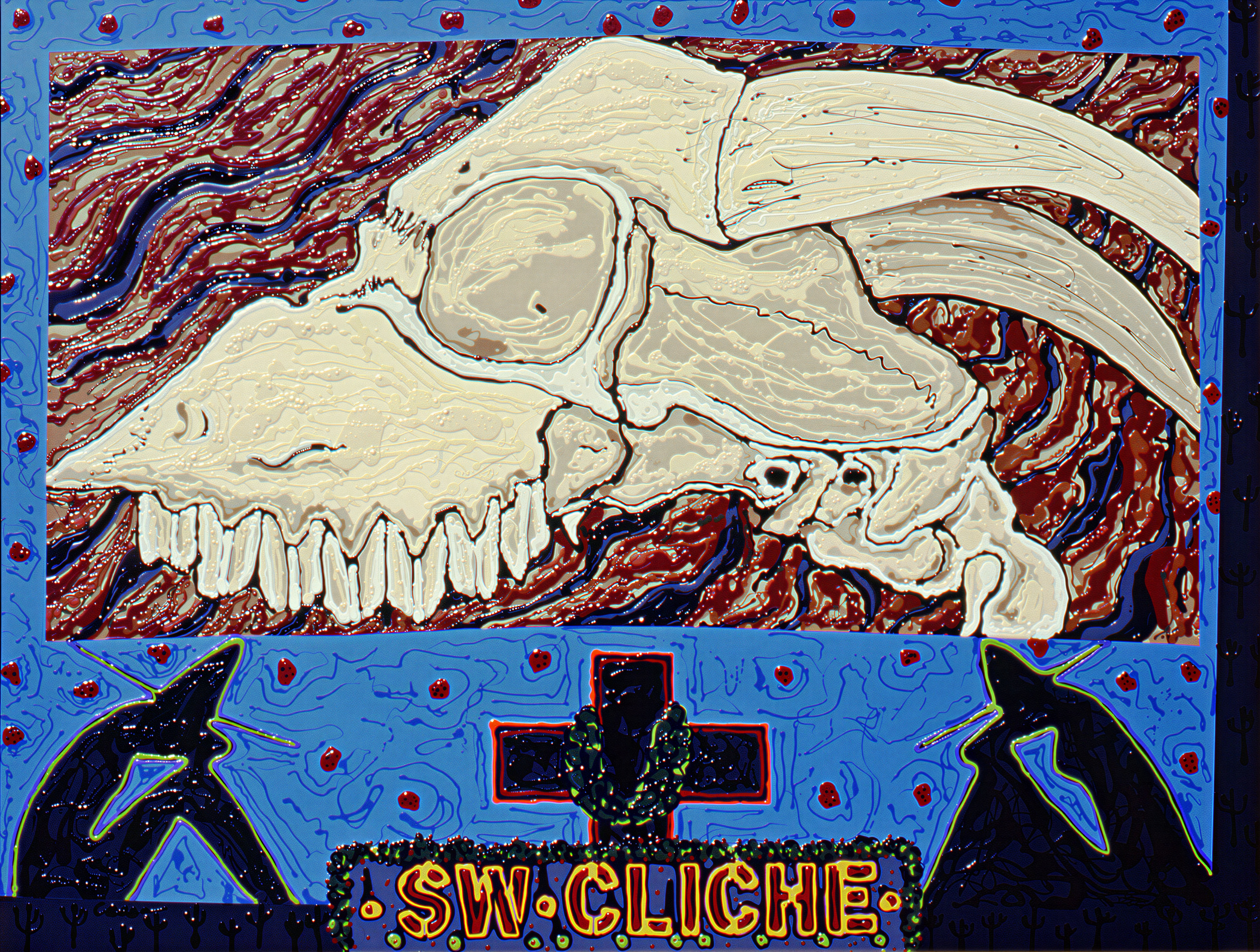
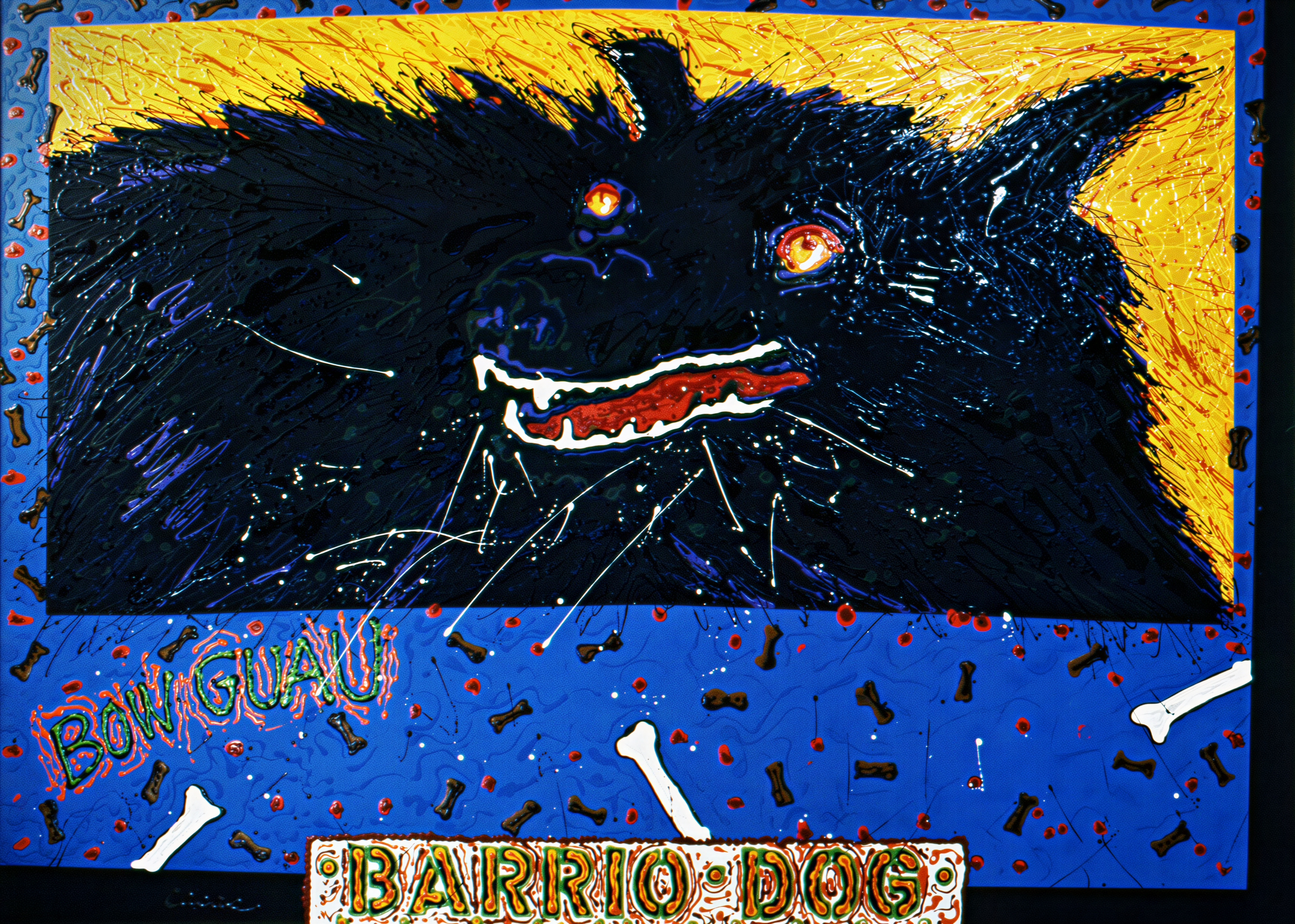
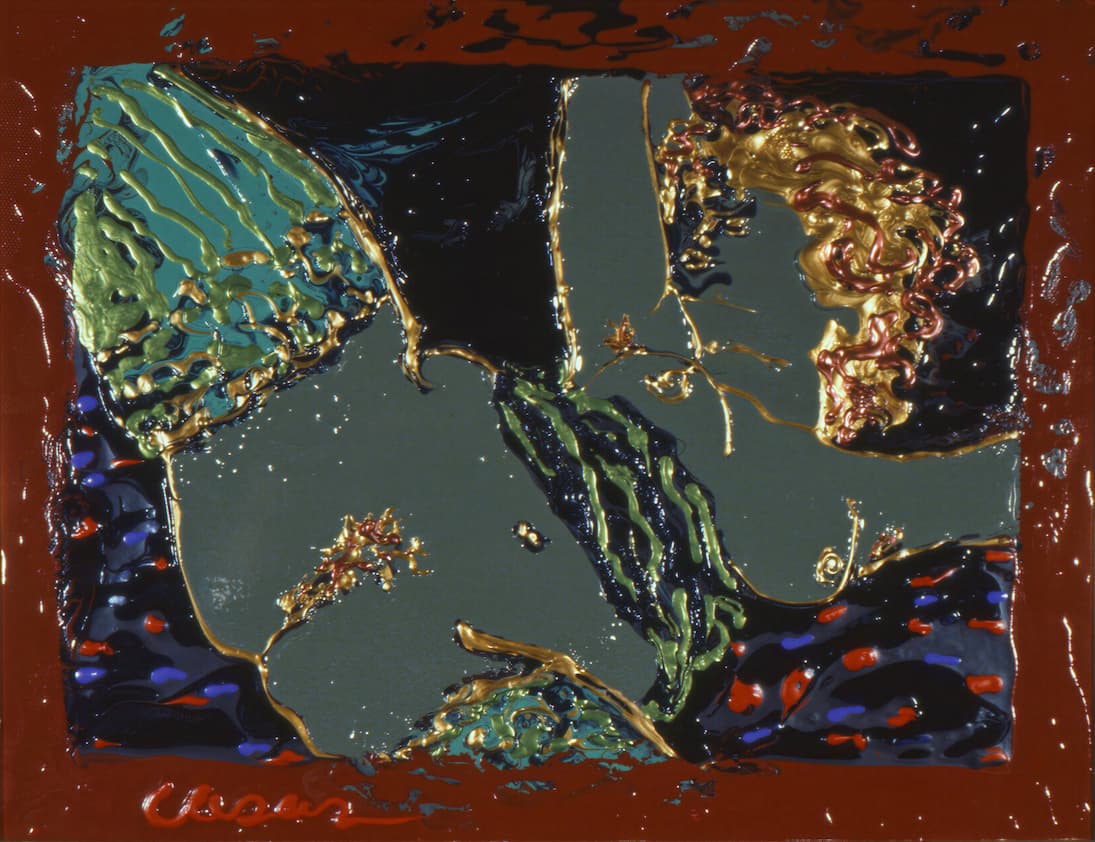
The final phase of the Humanscape series spans paintings 94 through 150, produced between 1978 and 1989. This period divides into two overlapping concerns: an art-historical dialogue with Western painting traditions (roughly paintings 94–130), and a sustained critique of the Southwestern cultural clichés that shaped — and distorted — popular images of the American Southwest and its Mexican and Indigenous inhabitants (roughly paintings 130–150). In the art-about-art works, Casas quotes and reframes canonical Western images, placing them within his cinematic screen format to question whose culture gets elevated to the status of "high art" and whose gets reduced to tourist merchandise. In the Southwestern Clichés paintings, he turns his attention to the imagery saturating Texas and New Mexico gift shops, roadside attractions, and regional advertising — images of desert landscapes, cacti, and stereotyped figures that simultaneously romanticize and erase living Chicano and Native American communities. Humanscape 141, "Barrio Dog" (1987), belongs to this final phase and is held by the Smithsonian American Art Museum, acquired in 1998. Taken together, these late Humanscapes complete a twenty-four-year project that remains unmatched in its scope and consistency of purpose.


Humanscapes
SELECTED WORKS
5 x 7 in.
(1995 - 2007)
24 x 24 in.
(1989 - 2006)
11 x 14 in.
(1993 - 2010)
4 x 5 in.
(2002 - 2003)
Mixed Sizes
(1998 - 2011)
Art Boxes
18 x 12 x 6 in.
(1976 - 1977)
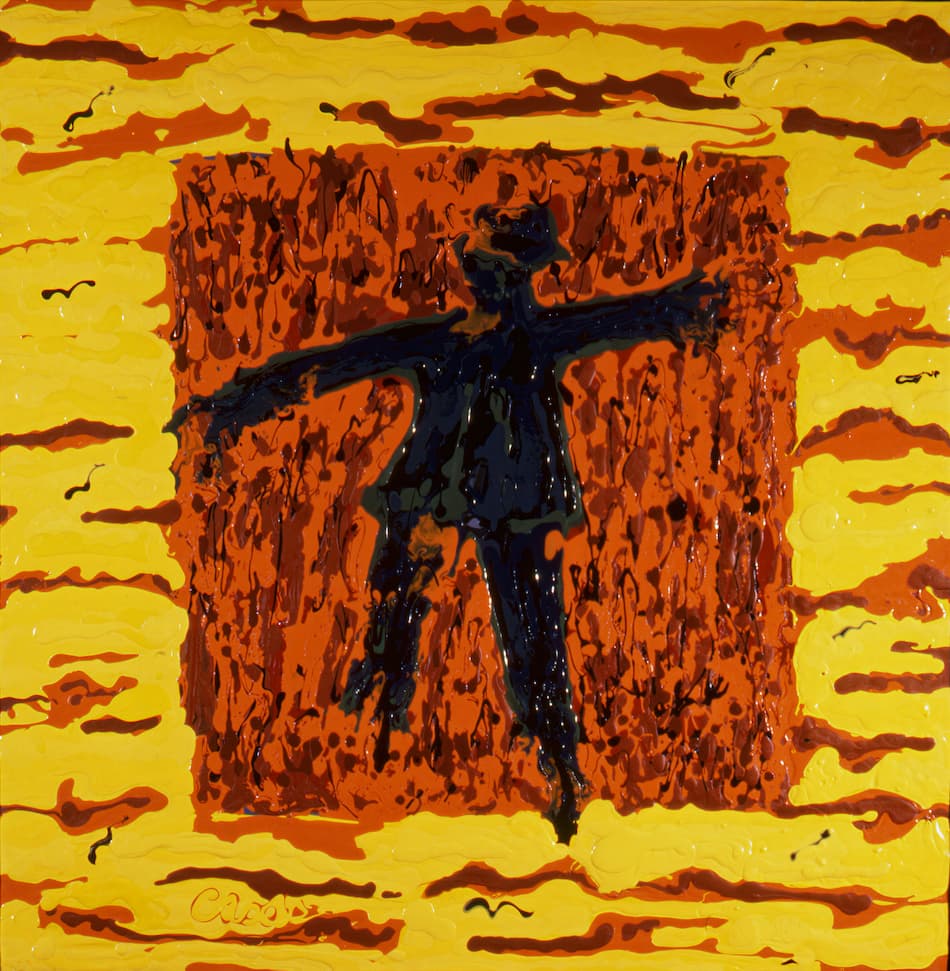
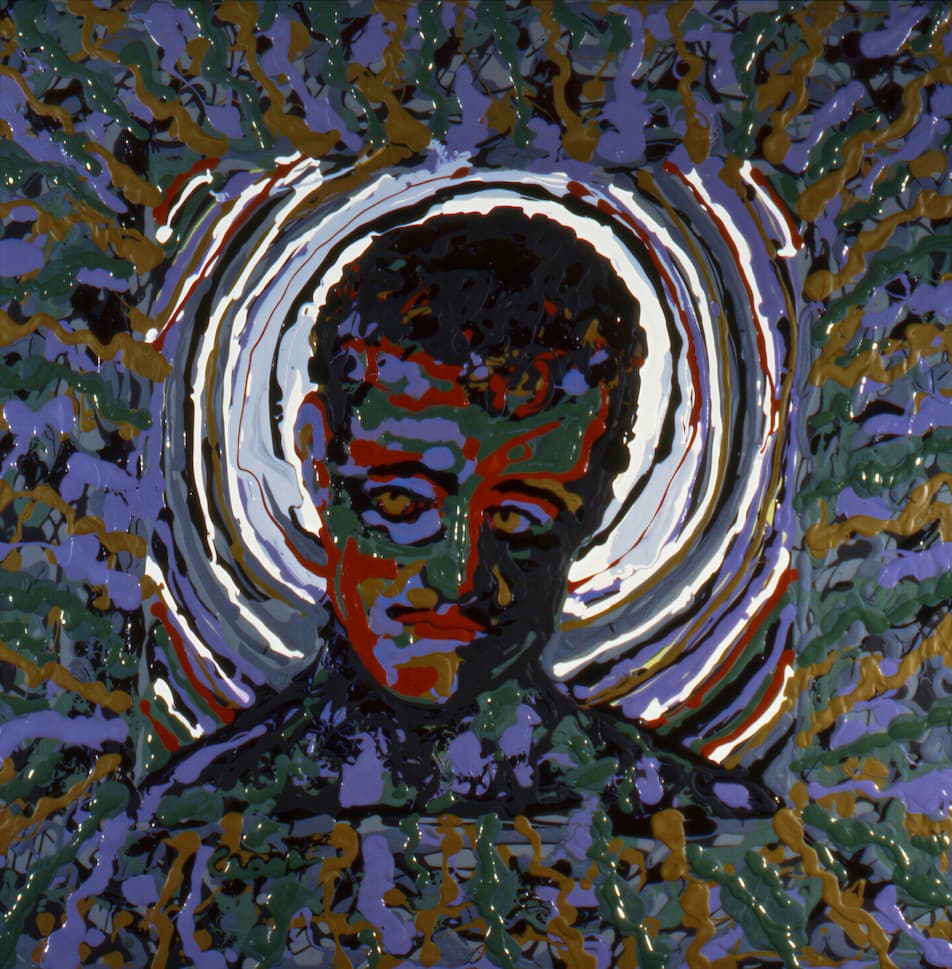
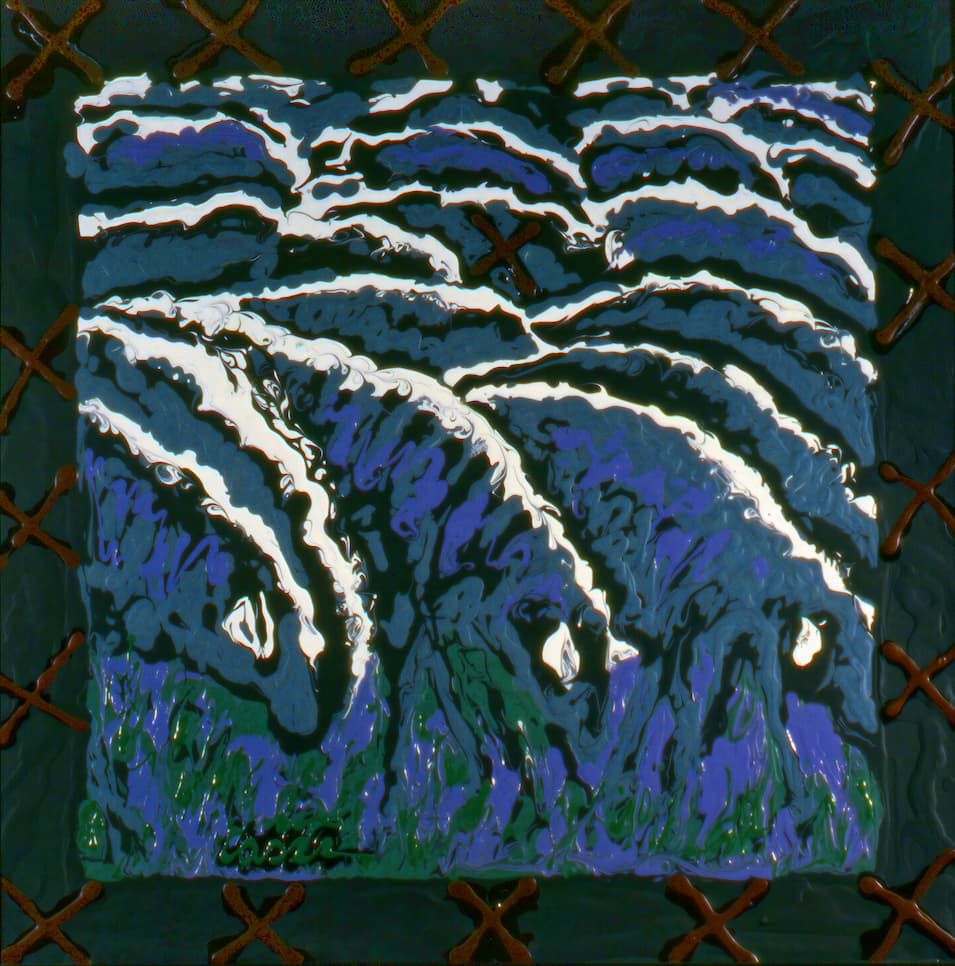
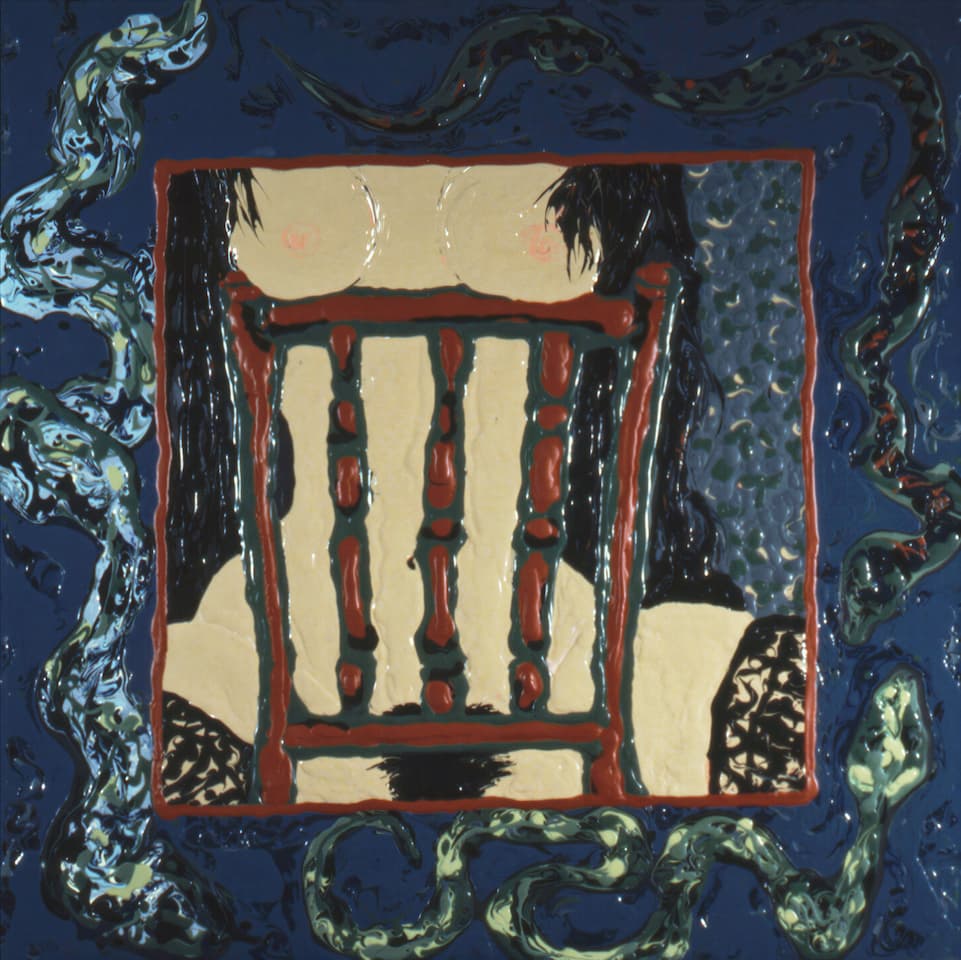
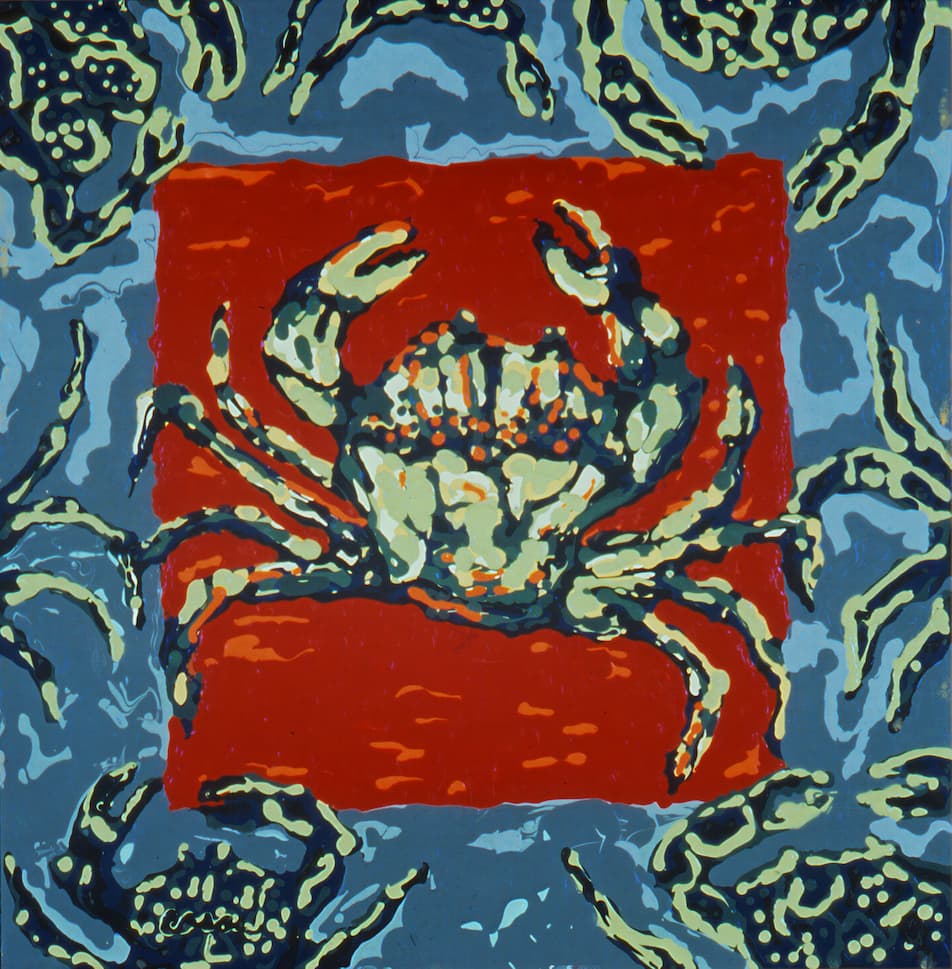
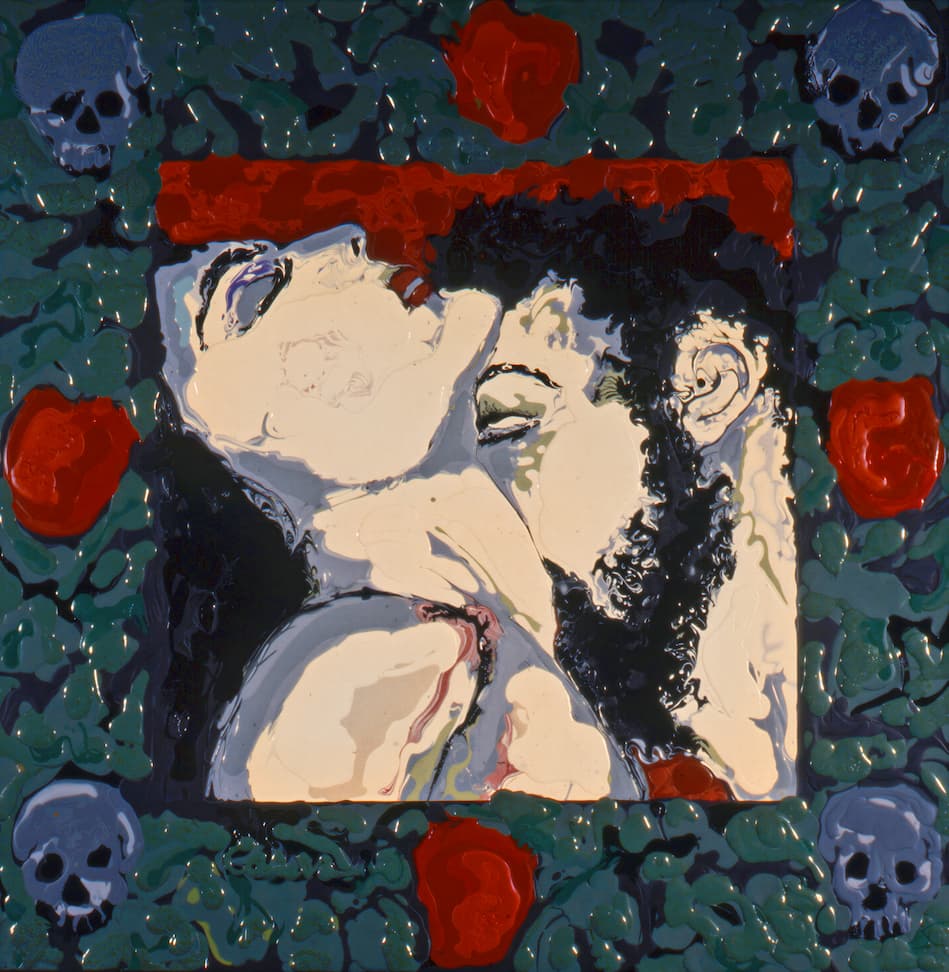
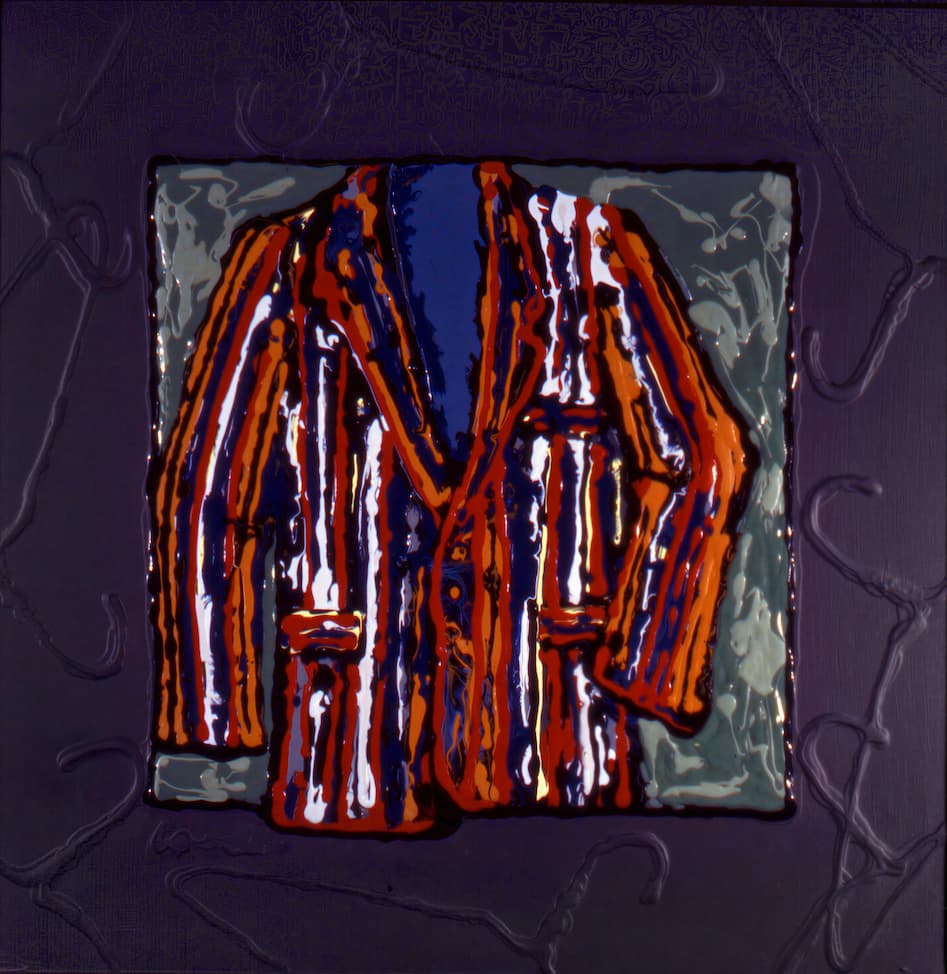
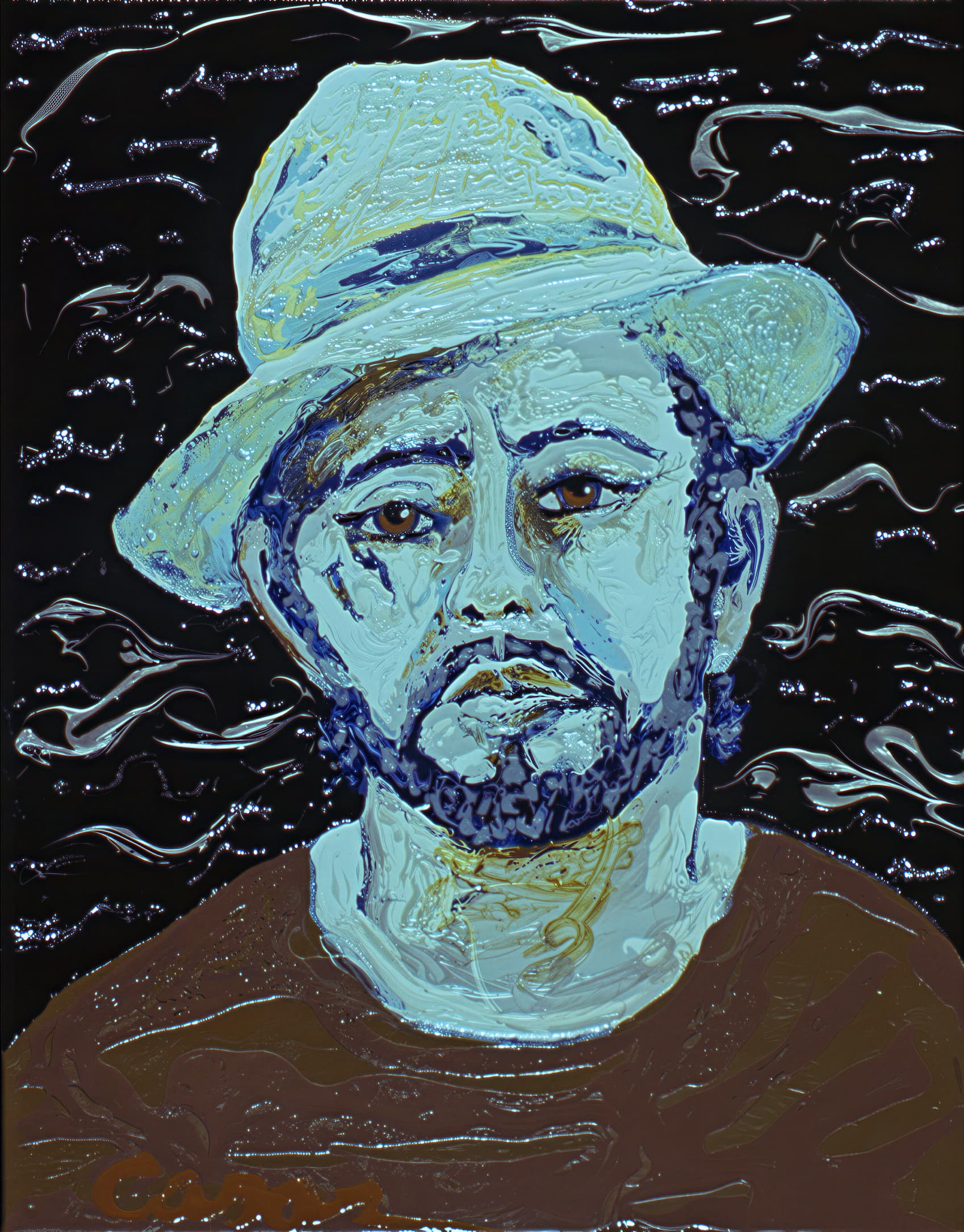
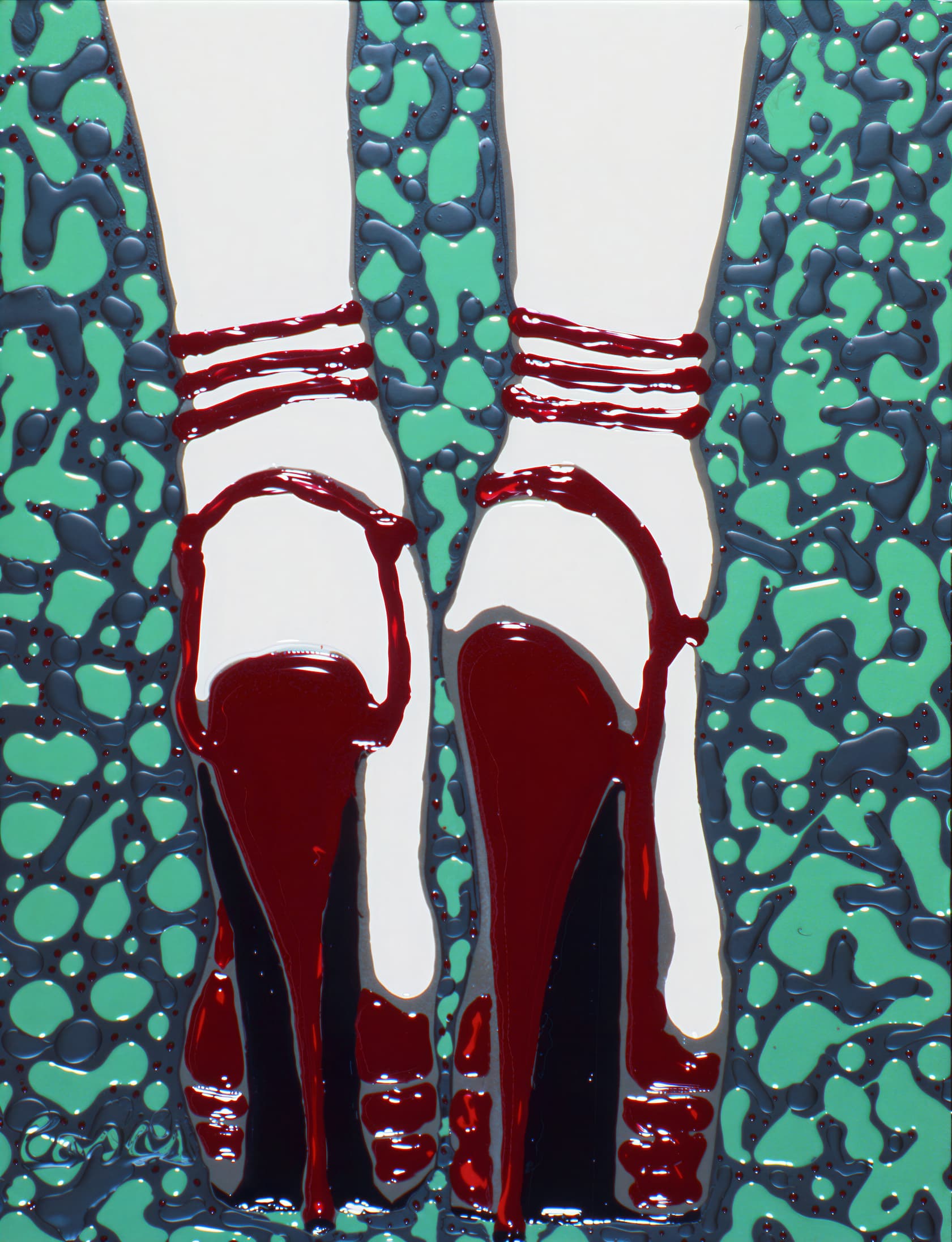
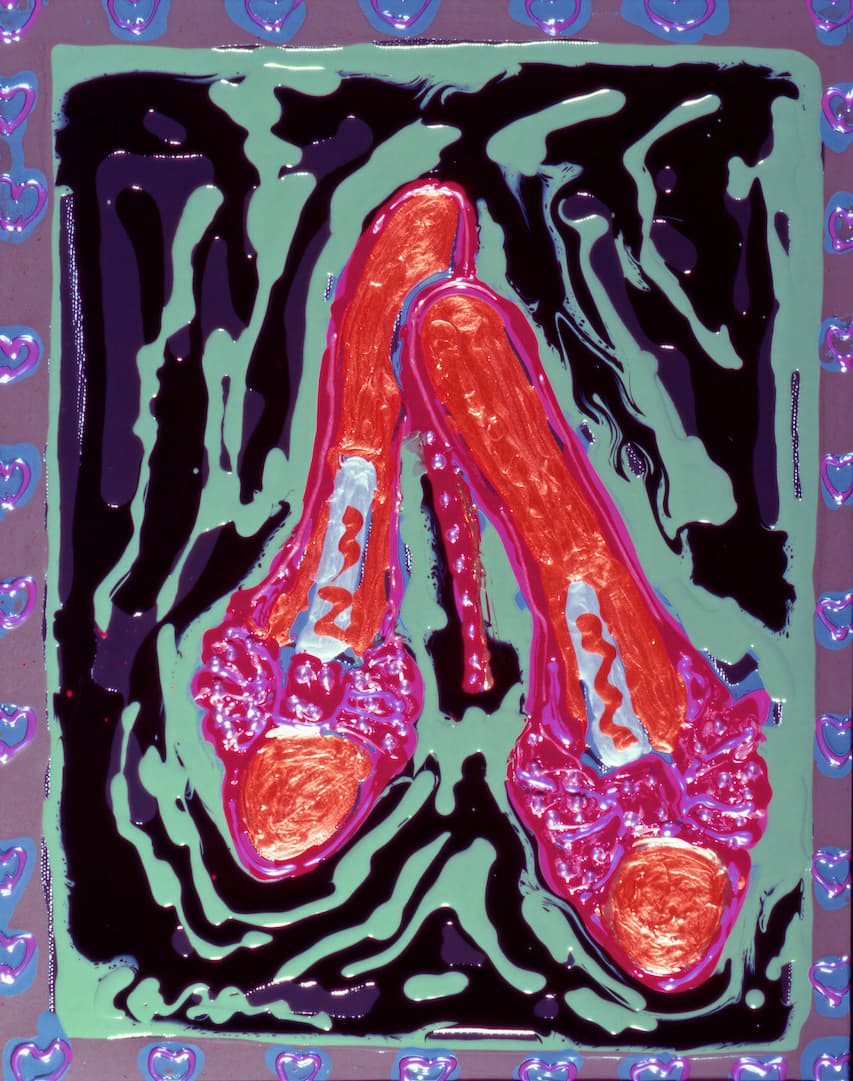
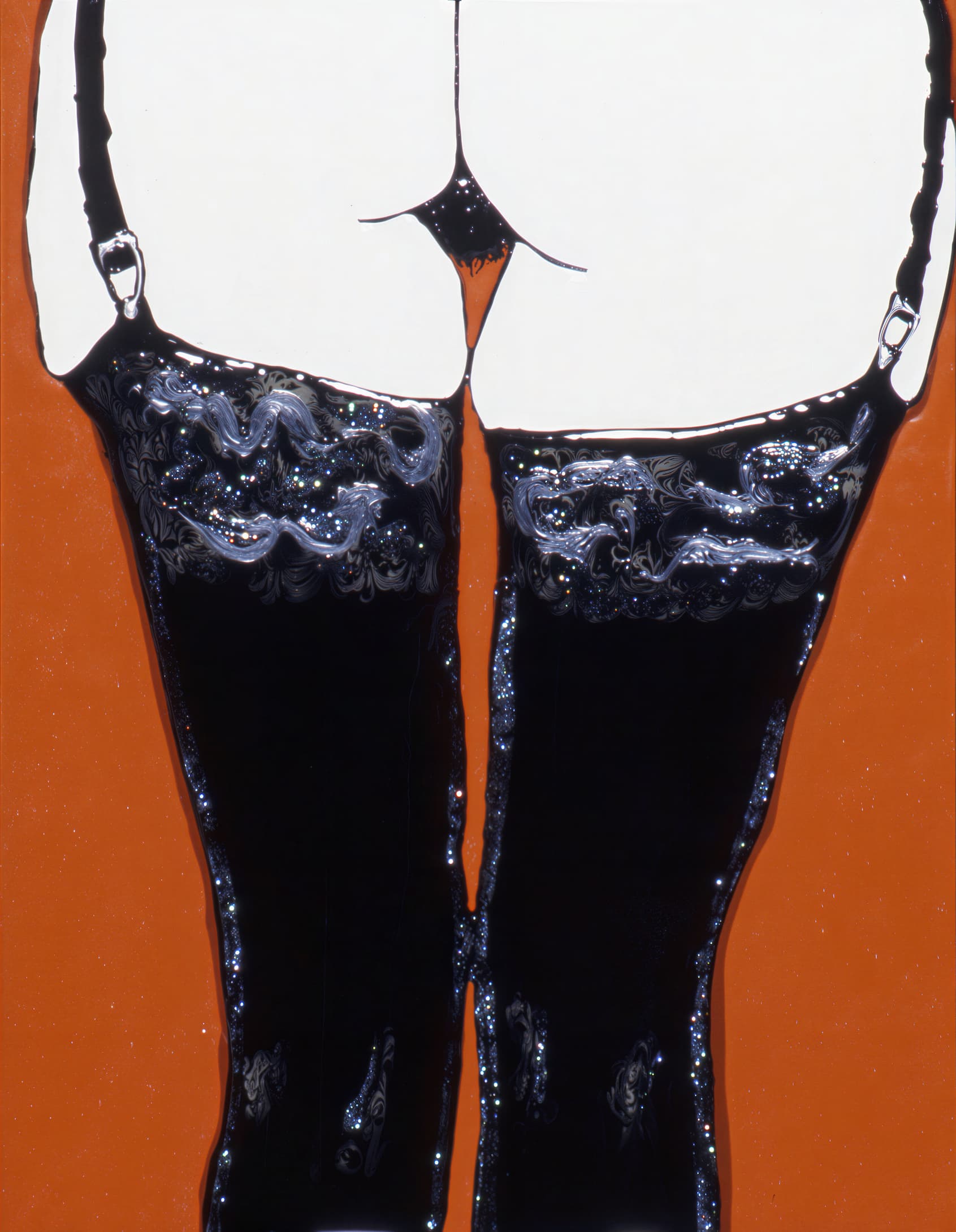
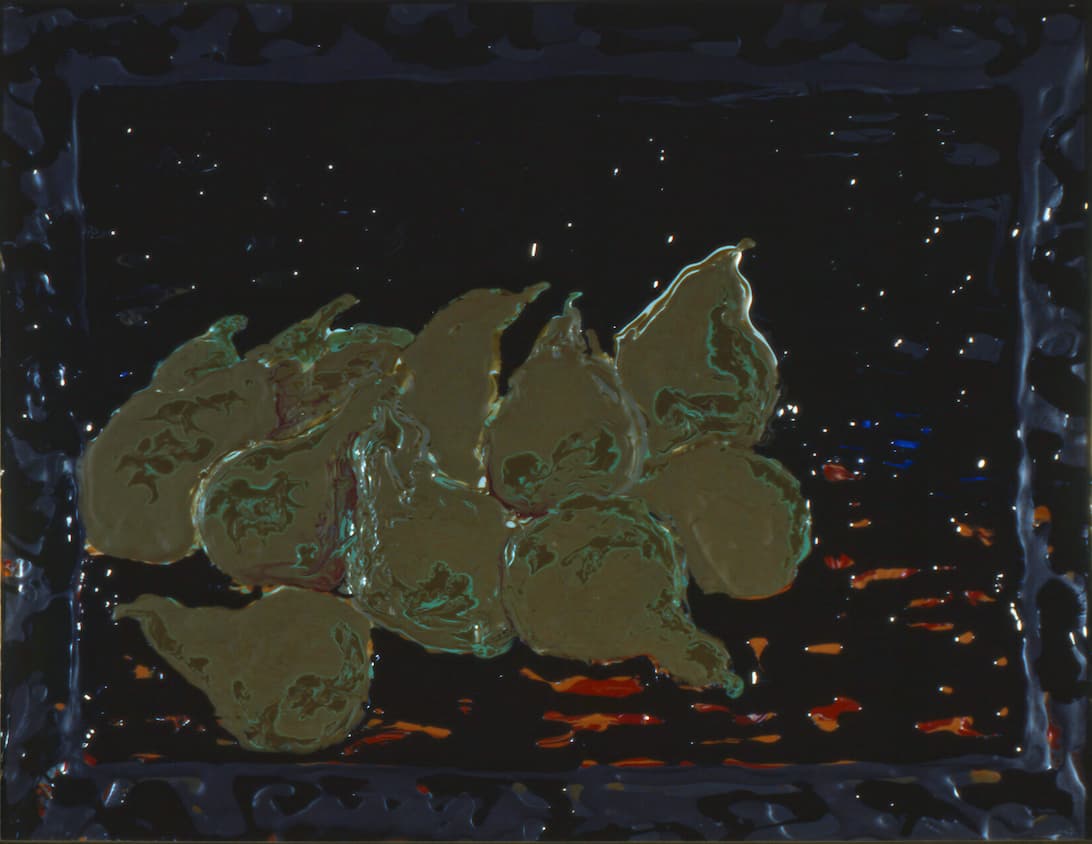
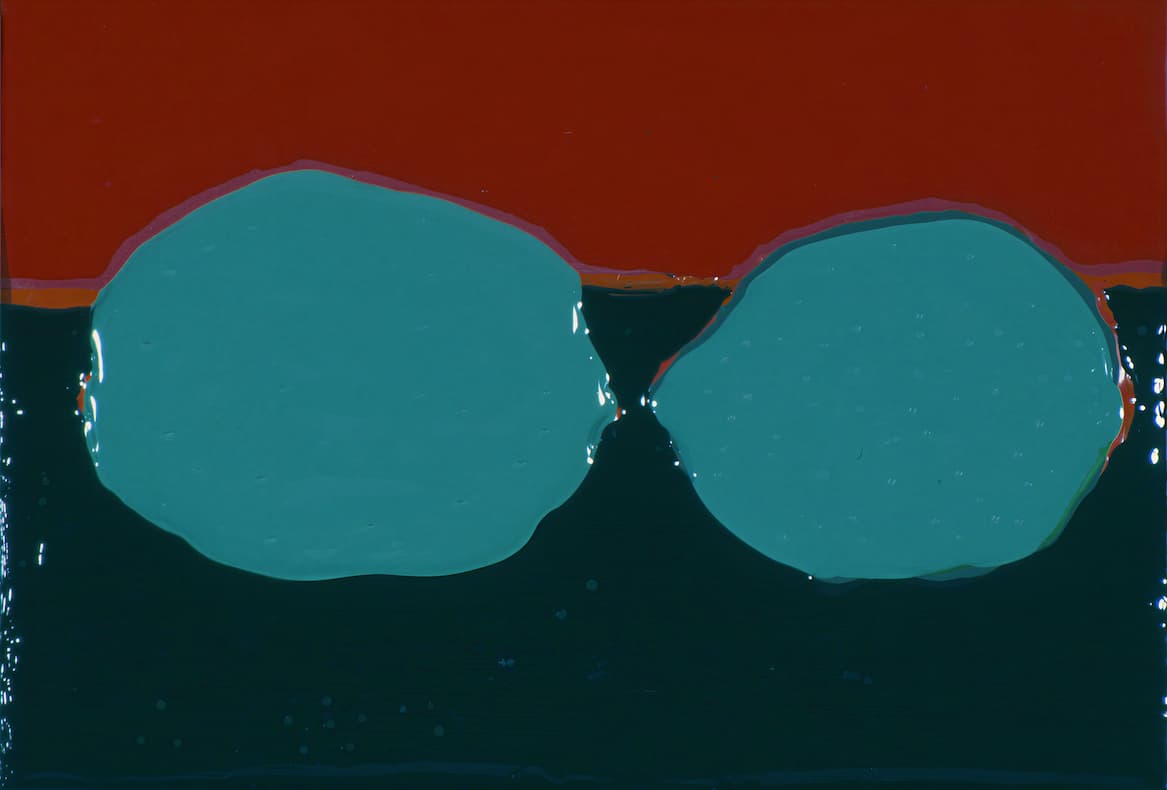
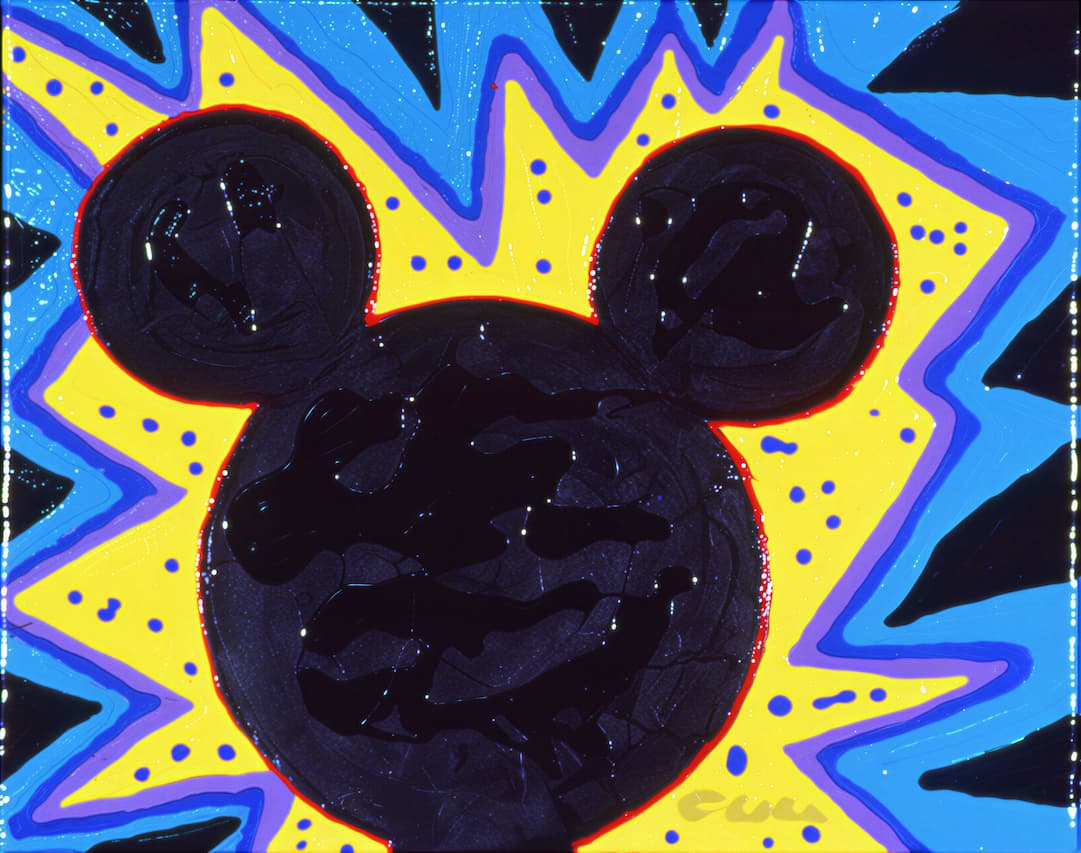
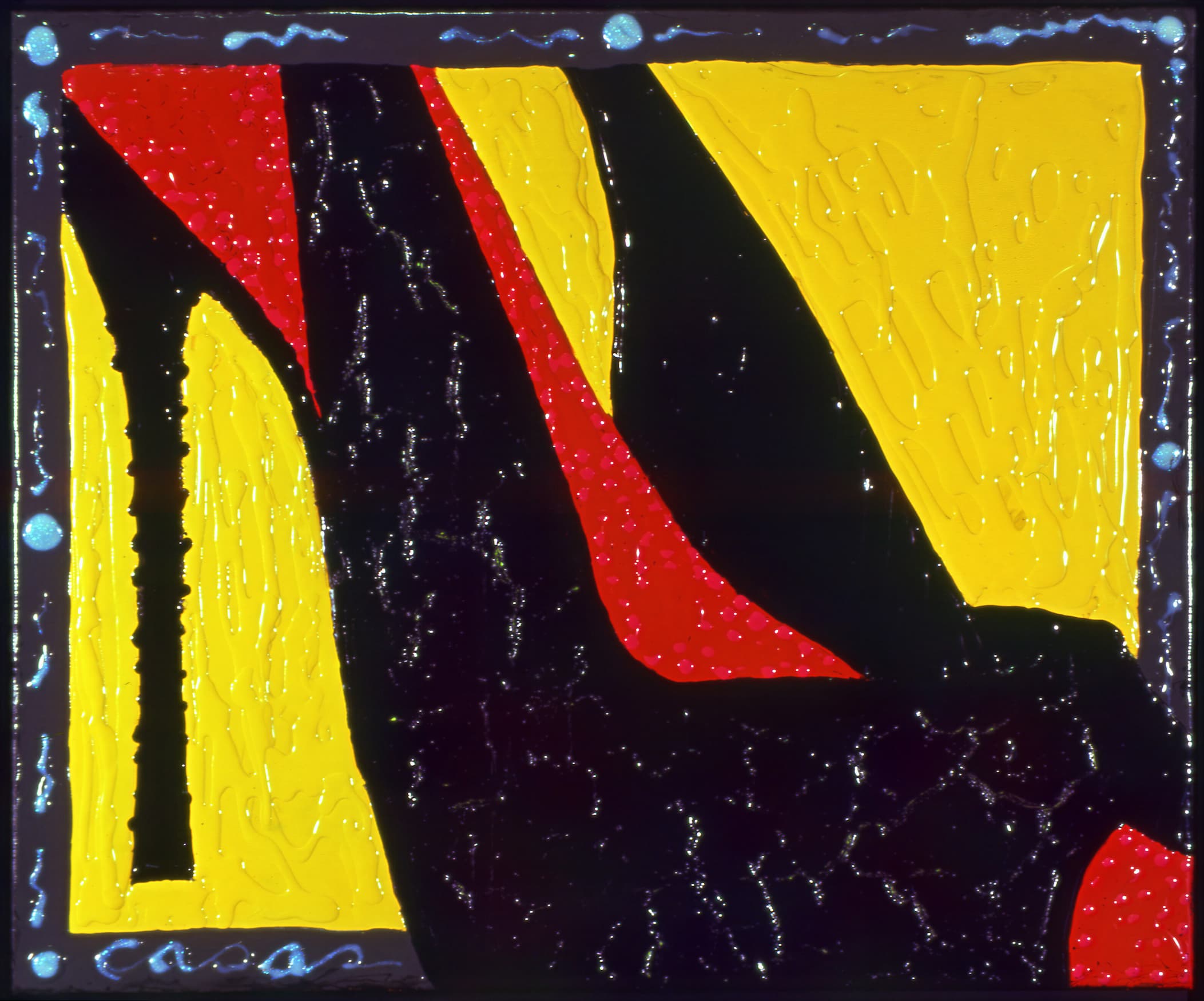
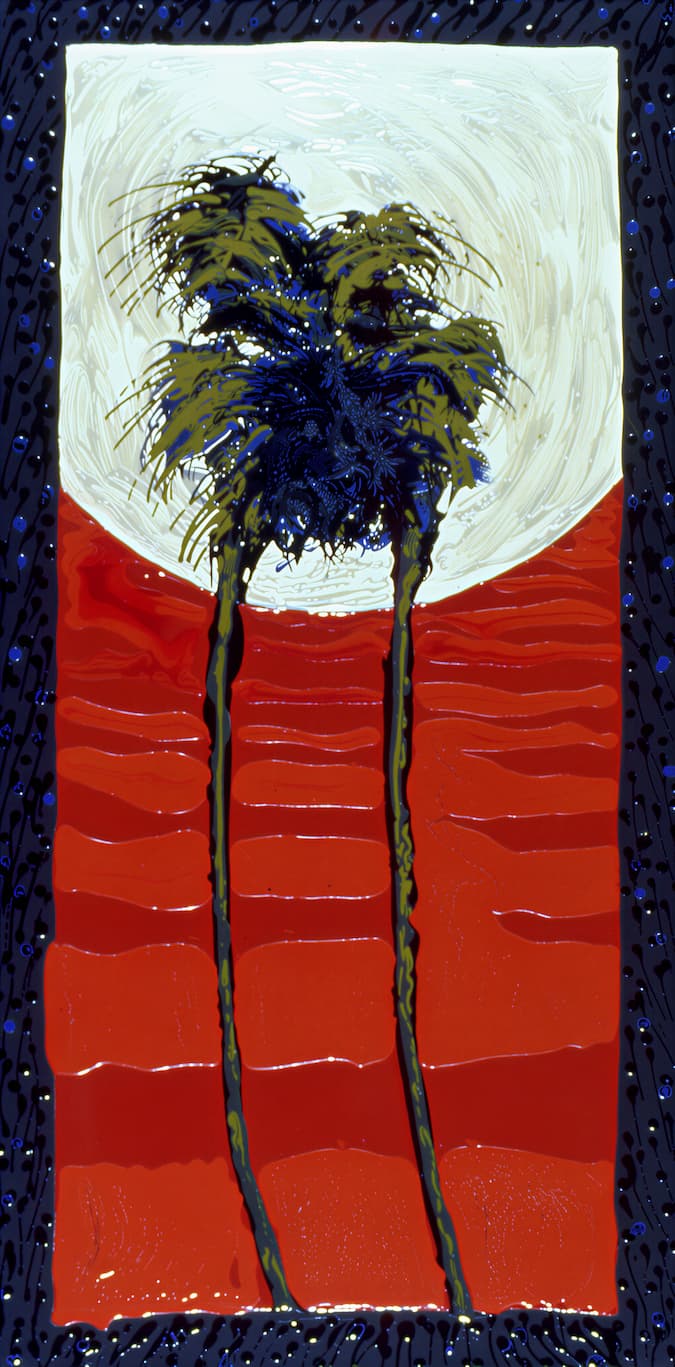
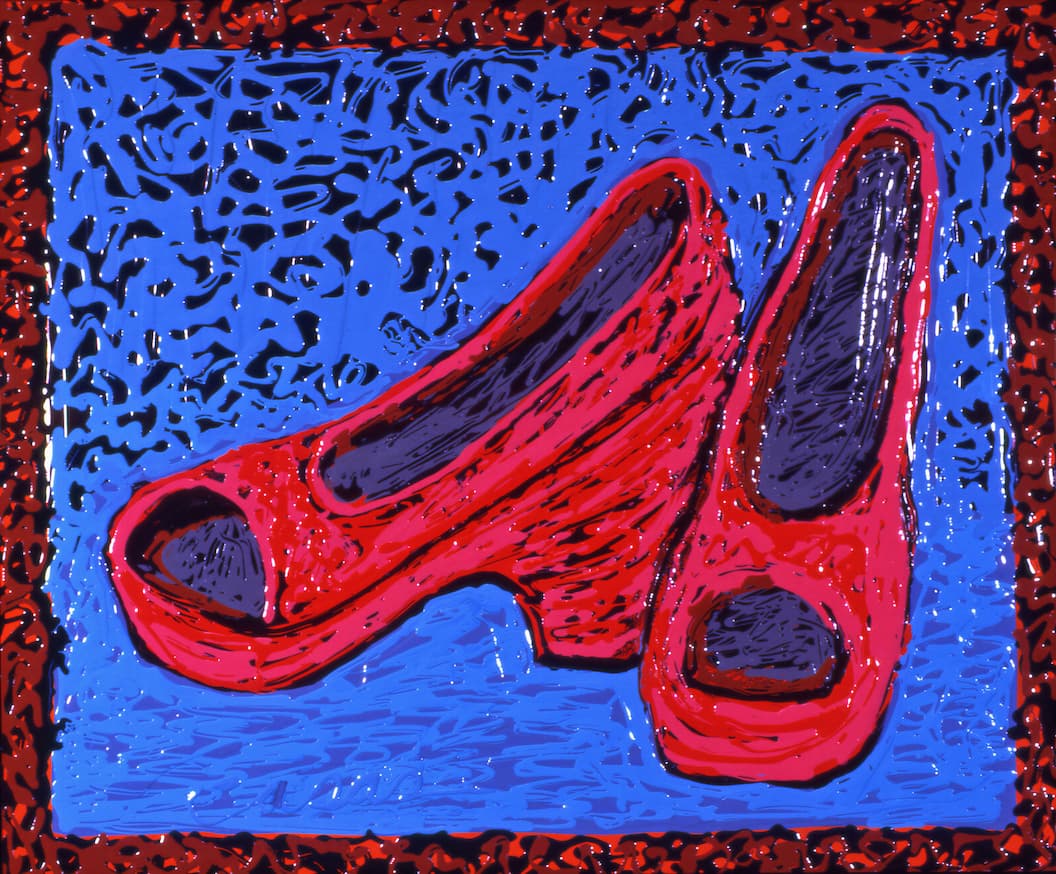
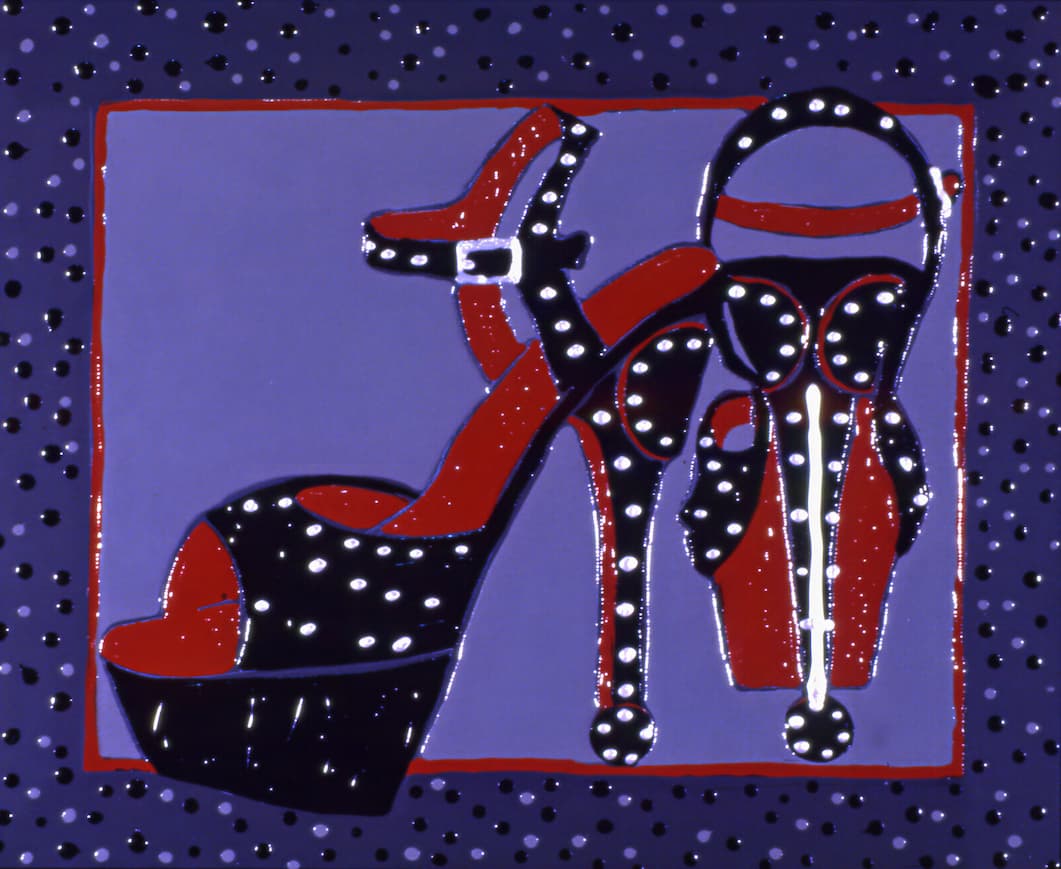
When Mel Casas completed the Humanscape series in 1989 — 153 paintings over twenty-four years — he did not stop painting. He changed scale. Beginning that year and continuing through 2006, Casas produced a substantial body of work in the 24-by-24-inch format: intimate square canvases that represent a deliberate departure from the monumental scale that had defined the Humanscapes. Without the dominant screen image that structured the earlier series, these paintings gave Casas greater compositional freedom, and they show a painter exploring color, form, and subject matter with renewed range. Some continue the political and cultural preoccupations of the Humanscapes; others move into more personal territory. Over the course of his post-Humanscape career, Casas produced more than 600 paintings, and the 24-by-24-inch works form one of the largest and most sustained groups within that body of work. They span seventeen years and reflect the full arc of his thinking after the completion of his defining series — confirming that the Humanscapes, as extraordinary as they were, represented only part of what Mel Casas had to say as an artist.


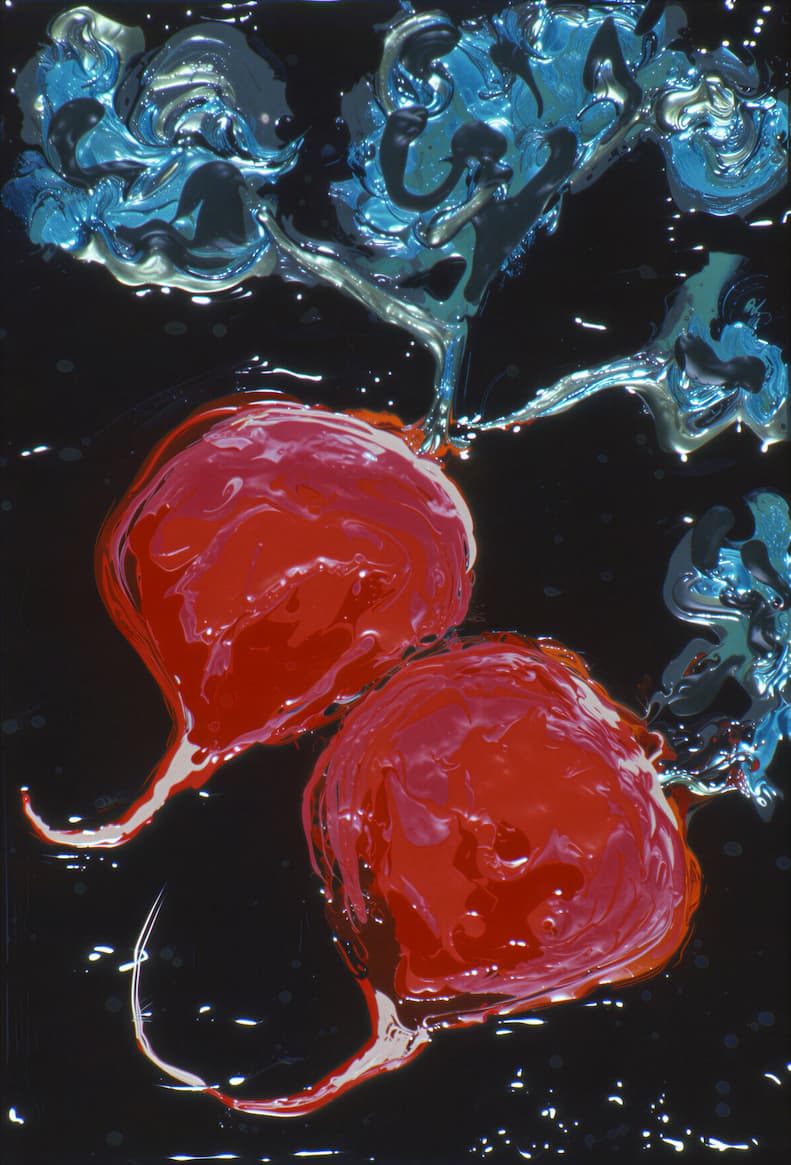
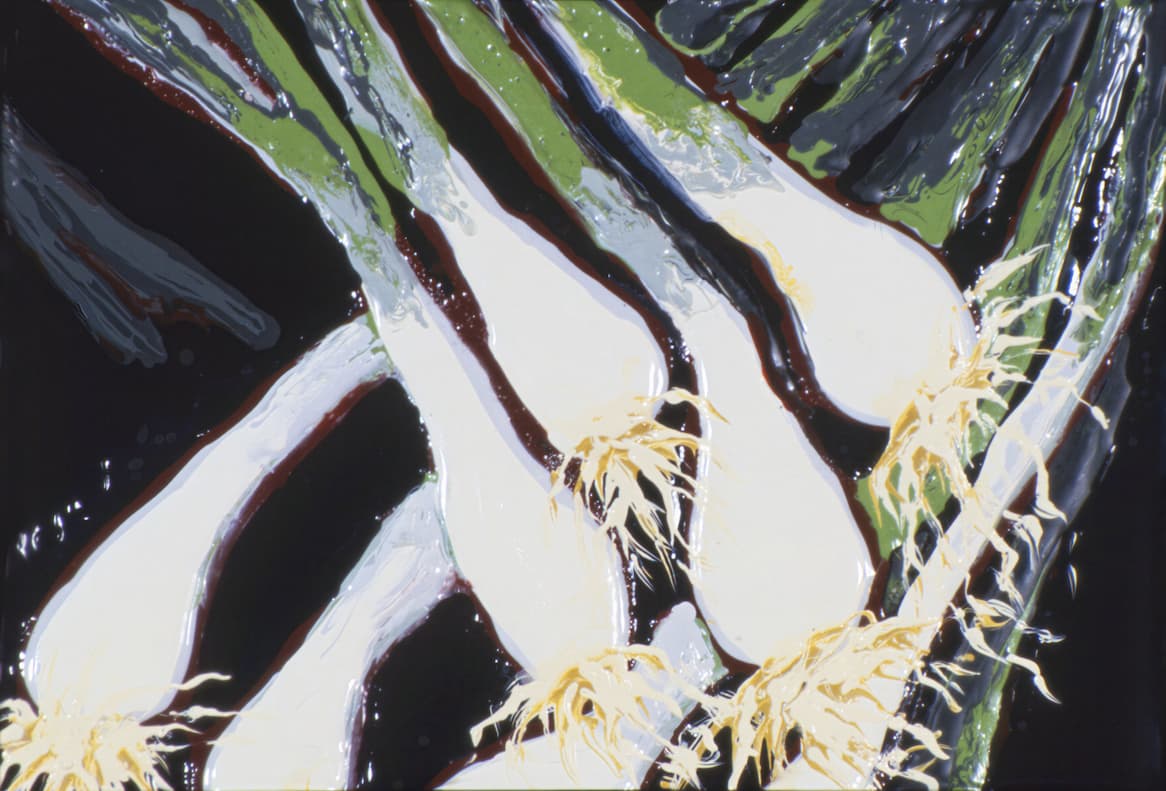
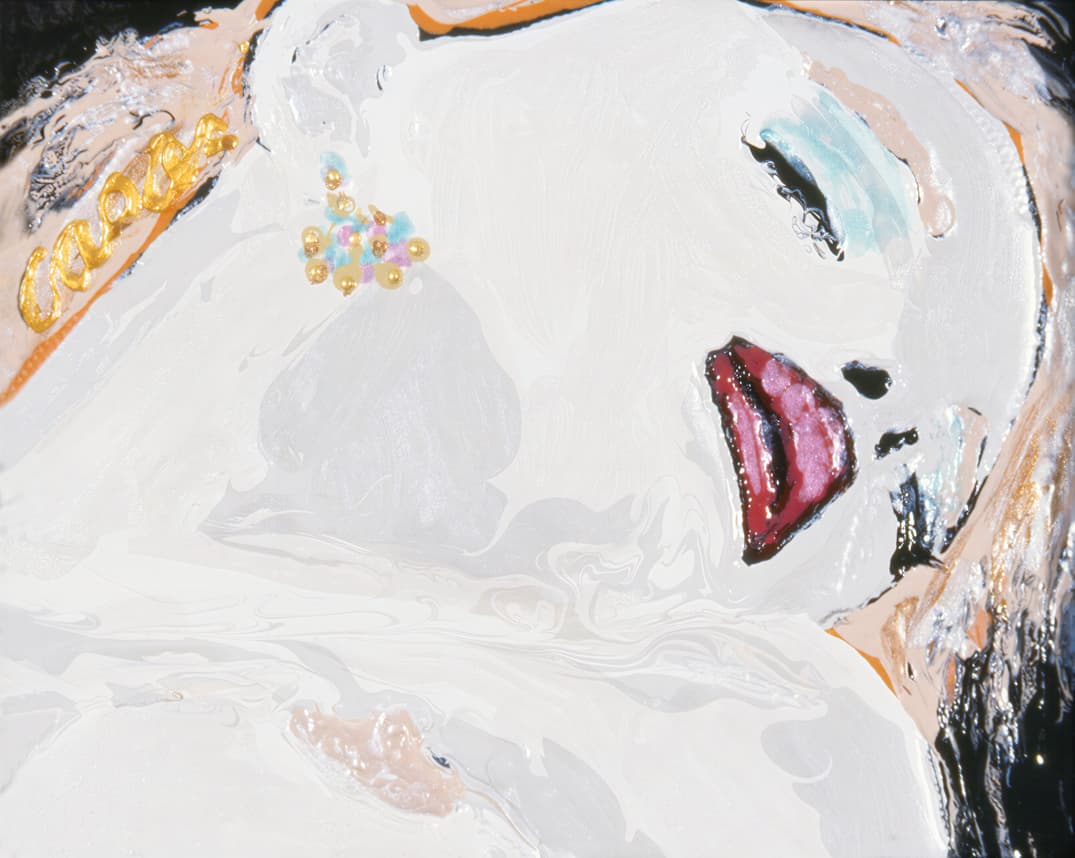
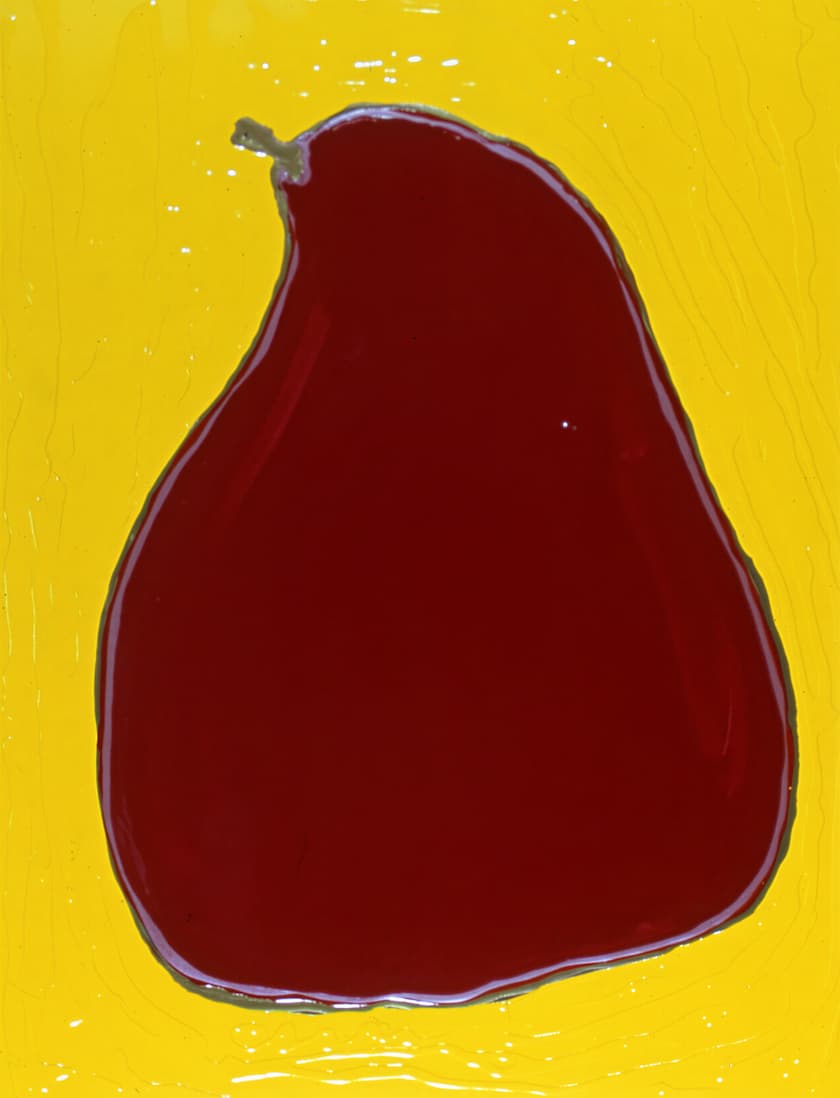
The 11-by-14-inch paintings, made between 1993 and 2010, represent one of the longest-running formats in Casas's post-Humanscape work. Spanning seventeen years, these modestly scaled canvases allowed Casas to work quickly and experimentally — to test ideas, pursue variations, and maintain a painting practice during a period when he was no longer bound to the discipline of a single sustained series. The format itself — the size of a standard photograph or a small framed print — carries its own implications for an artist who spent decades thinking about how images are reproduced, distributed, and consumed. These are not studies or sketches; they are resolved paintings, each one deliberate in composition and execution. Seen as a body of work, the 11-by-14-inch paintings document a mature artist's ongoing engagement with his own visual language. They also demonstrate the remarkable consistency of Casas's working methods: even at small scale, the paintings bear the visual intelligence and cultural attentiveness that characterize everything he made.


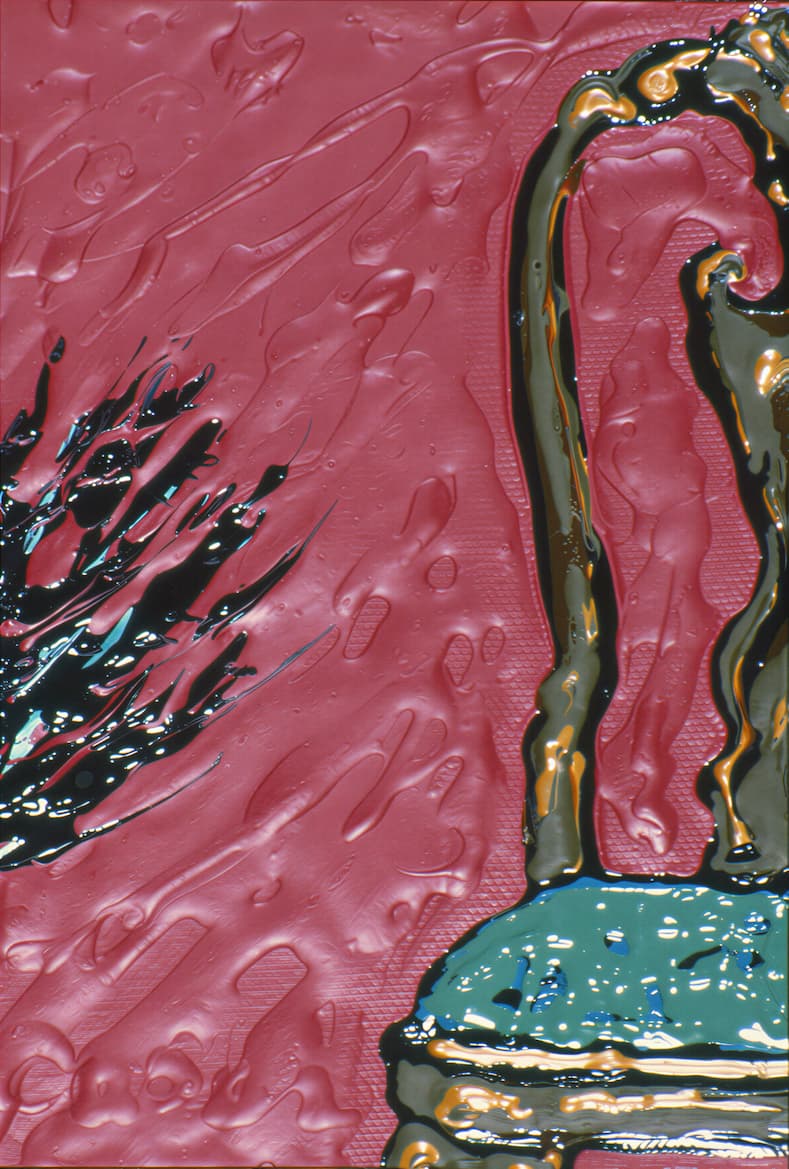
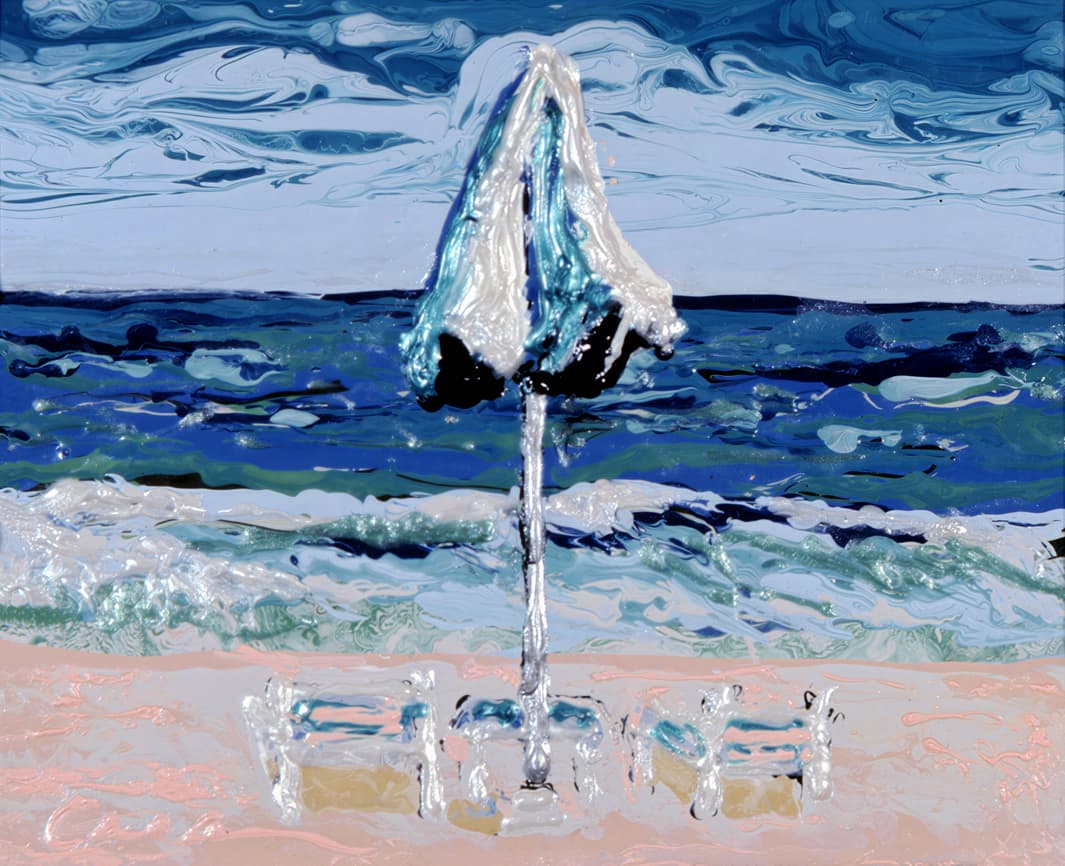
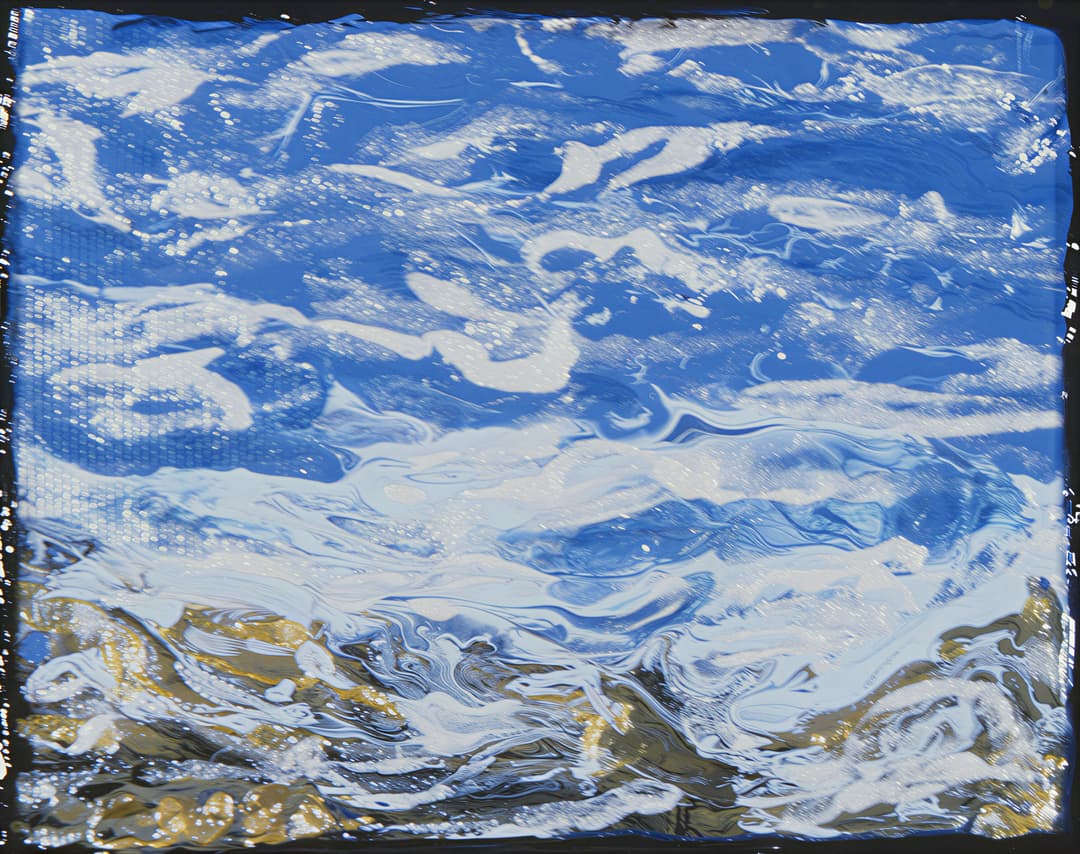
At 5 by 7 inches — the scale of a postcard or a wallet photograph — these paintings from 1995 to 2007 represent the most intimate works in Casas's catalogue. The format inverts everything associated with the Humanscape series: where those paintings were designed to confront the viewer at a scale that approximated the cinema screen, these works require proximity, patience, and close looking. They are quiet objects, and that quietness is itself meaningful in the context of a career built around large images and large arguments. In scale, the 5-by-7-inch paintings recall the postcard reproductions through which most people encountered — and still encounter — canonical works of art: a reminder that the same image can carry radically different weight depending on how it is delivered and at what size. Whether Casas intended that resonance or not, these small paintings enact a principle that runs through all his work: that the frame, the format, and the scale of an image are never neutral. They shape what the image is allowed to mean.


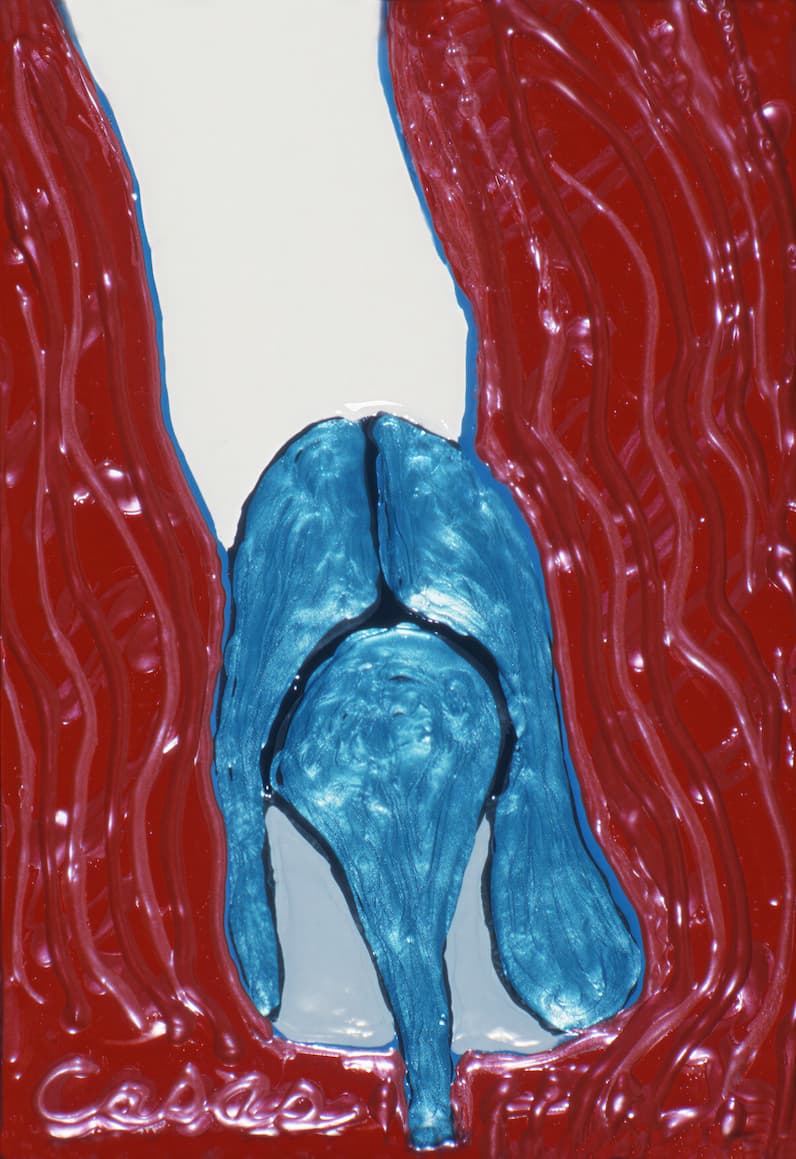
The smallest paintings in Casas's catalogue, these 4-by-5-inch works were made over a concentrated two-year period, 2002 to 2003. Their miniature format — smaller than a standard index card — makes them among the most unusual objects in a body of work otherwise defined by scale, confrontation, and cultural weight. That contrast is hard to ignore: the man who painted 72-by-96-inch canvases designed to overwhelm the viewer also made paintings you could hold in one hand. Whether read as a meditative counterpoint to his monumental work or as an independent formal investigation, these tiny paintings demonstrate a painter fully in command of his means. They are technically precise and visually concentrated — nothing is wasted when every inch counts. As a group, the 4-by-5-inch paintings offer a counterargument to any reading of Casas as purely a painter of political statements: they suggest an artist for whom the act of painting itself — at any scale — remained a source of genuine interest and discipline.


This final collection gathers works in varied formats produced between 1998 and 2011 — paintings that do not fit neatly into the dedicated format groups but that represent Casas's ongoing production during the last decade and a half of his active career. Together with the other post-Humanscape format groups, these works constitute a body of more than 600 paintings made after 1989. They span an extraordinarily wide range of scale and subject matter, confirming that the completion of the Humanscape series in 1989 marked a transition rather than a conclusion. For a painter who had spent twenty-four years working within the strict constraints of a single serialized project, the freedom of mixed formats was itself a statement — a willingness to let each work determine its own dimensions. The paintings in this group include works from the final years of Casas's active career and serve as a record of his sustained commitment to painting until nearly the end of his life. They are the last chapter in a six-decade body of work.


ART BOXES - Pics to come...