top of page
HUMANSCAPES
(1965-1967)
The first thirty-two numbered Humanscapes establish the series' central formal device: a large painted screen dominating the picture plane, with figures — drawn from cinema, advertising, and popular culture — rendered at the scale of spectacle. Produced between 1965 and 1967, these paintings address cinema, sexuality, and the manufactured ideal of femininity. The screen image Casas returns to repeatedly in this period is the Barbie Doll — a mass-produced object whose impossible proportions and racially unmarked whiteness Casas recognized as a form of cultural instruction for young women, and especially for young Chicanas who found nothing of themselves in the image. Casas was working simultaneously within and against the conventions of Pop Art: like Andy Warhol or Roy Lichtenstein, he was interested in mass media and commercial imagery, but where Pop Art often celebrated or aestheticized those images, Casas interrogated them as instruments of social control. These early numbered Humanscapes laid the formal and conceptual groundwork for everything that followed in the series.

Humanscape No. 1
48" x 60"

Humanscape No. 3
36" x 48"

Humanscape No. 4
48" x 60"

Humanscape No. 5
36" x 48"

Humanscape No. 6
36" x 48"

Humanscape No. 7
48" x 60"

Humanscape No. 8
48" x 60"

Humanscape+9-te
36" x 48"

Humanscape No. 10
62.25" x 68.25"

Humanscape No. 11
60" x 112"

Humanscape No. 12
22" x 38"

Humanscape No. 13
42" x 50"

Humanscape No. 14
48" x 60"

Humanscape No. 16
60" x 60"

Humanscape No. 17
40" x 70"

Humanscape No. 18
50" x 50"

Humanscape No. 19
70" x 70"

Humanscape No. 20
50" x 50"

Humanscape No. 21
50" x 60"

Humanscape No. 22
50" x 50"

Humanscape No. 24
50" x 50"

Humanscape No. 25
50" x 60"
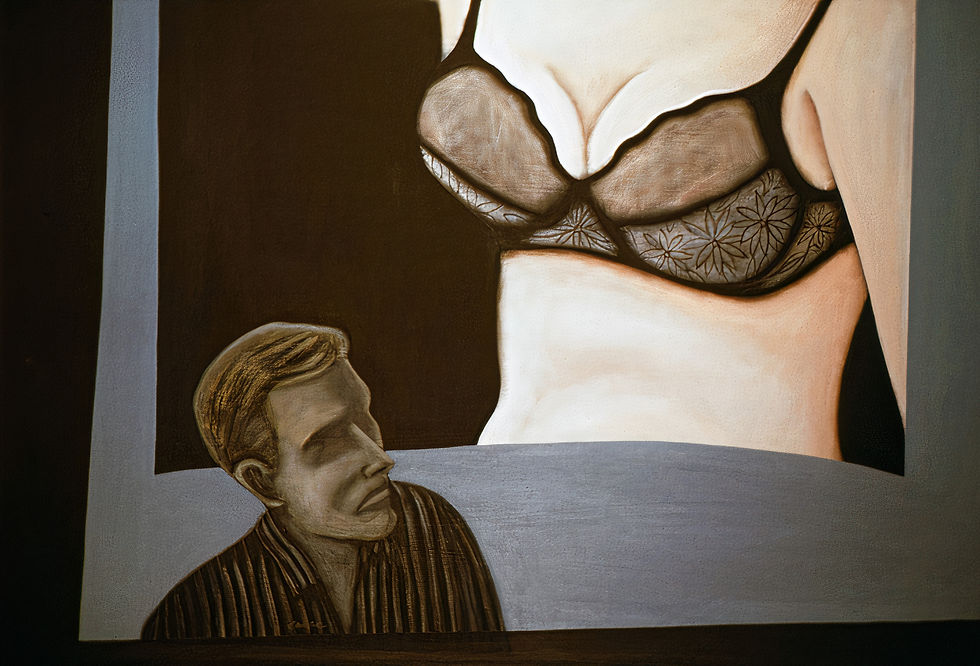
Humanscape No. 26
50" x 60"

Humanscape No. 27
60" x 70"

Humanscape No. 29
50" x 50"

Humanscape No. 30
70" x 70"

Humanscape No. 31
50" x 72"

Humanscape No. 32
50" x 50"
bottom of page